

The private label jewelry industry helps brands and retailers stand out, providing unique and trendsetting designs without having to manufacture the products themselves. This allows jewelry brands to focus on important areas like design, marketing, and customer service while leaving production to specialized manufacturers. Private labeling in jewelry is attractive because it lets brands cater to specific markets and consumer tastes, offering exclusivity and differentiation in a competitive market.
Choosing the right manufacturing partner for private label jewelry is important for a brand’s success. It’s ultimately about quality and innovation. Factors like the quality of craftsmanship, reliability of production, and ethical sourcing practices can significantly impact a brand’s reputation and customer loyalty. Partnering with a private label jewelry manufacturer that shares a brand’s values and maintains high-quality standards can lead to effective collaboration and the creation of great products that resonate with target audiences.
This blog post aims to provide insights into the private label jewelry industry, highlighting its benefits and challenges. It also serves as a guide for jewelry brands in selecting the right manufacturing partner by outlining essential criteria and considerations. Additionally, by compiling a list of top private label jewelry manufacturers, we offer a valuable resource for businesses at various stages of development, from startups to established brands looking to expand their product offerings. Through this exploration, we hope to equip startup jewelry brands with the knowledge and tools necessary to succeed.
In 2024, the revenue in the Jewelry market worldwide is projected to reach a staggering US$310.90bn. – Statista
What is Private Label Jewelry?
Private label jewelry provides a collaborative business relationship in which a brand designs its own jewelry collection and then hires another company to make the pieces. The items are sold under the brand’s name. This allows them to offer distinct designs without the financial pressures of creating their own production facilities.
Benefits of Choosing the Right Private Label Jewelry Manufacturer
Choosing the right private label jewelry manufacturer is crucial for your brand’s success. Let’s delve into the significant benefits of making a thoughtful selection:
- High-Quality Products: Partnering with a reputable manufacturer ensures good craftsmanship and the use of top-quality materials. This results in jewelry pieces that are durable and meet the high standards of your customers, reducing returns and enhancing brand reputation.
- Cost-Effectiveness: Selecting the right jewelry manufacturer provides access to competitive pricing. This allows you to improve profit margins while maintaining product quality. Balancing cost and quality enables effective budget management while delivering value to customers.
- Staying on Trend: A flexible and responsive manufacturer helps you stay ahead of market trends and evolving consumer preferences. Whether incorporating new designs or adjusting production to meet shifting demands, a proactive manufacturing partner keeps your jewelry brand relevant and competitive.
- Value-Added Services: Many jewelry manufacturers offer additional services such as packaging and fulfillment. Outsourcing these tasks streamlines operations, allowing you to focus on core aspects such as marketing and customer engagement. This improves efficiency and enhances the overall customer experience.
Choosing the right private label jewelry manufacturing partner is about establishing a collaborative partnership that aligns with your brand’s values, ethics, and growth goals. By making informed decisions, you can build a strong foundation for long-term success in the jewelry industry.
Key Factors to Consider When Choosing a Private Label Jewelry Manufacturer
- Quality: The jewelry manufacturer’s ability to produce a product of high quality needs to be top of mind. Without a great product, there is no point in hiring a private label manufacturer. Considering factors such as craftsmanship, materials used, and durability is key to meeting your brand’s standards.
- Reliability: Timely delivery of products is crucial for upholding your brand’s reputation and meeting customer demand. A dependable private label manufacturer ensures the consistent availability of your products.
- Design Capability: The manufacturer’s expertise in design and innovation significantly influences the attractiveness of your product. It’s essential to select a manufacturer with a strong history of creating and having the tools and capabilities to turn those designs into a beautiful finished product.
- Communication and Customer Service: Effective communication is vital for a successful partnership. Choose a private label manufacturer that prioritizes clear and timely communication and is committed to understanding and meeting your brand’s requirements.
- Ethical Practices: Consumers increasingly value ethical sourcing and manufacturing practices. Ensure that your jewelry manufacturer adheres to ethical labor standards and responsibly sourced materials. Younger customers prioritize these standards, often over pricing.
- Cost: While cost should not be the sole consideration, understanding pricing structures is essential for maintaining a sustainable partnership. Ensure that the manufacturer’s pricing aligns with your budget while meeting quality standards.
When choosing a private label jewelry manufacturer, carefully evaluate these factors. Select a partner that not only meets your production needs but also shares your brand values and long-term goals. This alignment is important for establishing a successful and enduring brand in the competitive jewelry industry.
This list isn’t ranked, and you should identify your business goals and needs before deciding to work with any of these companies.
List of Top Jewelry Private Label Manufacturers
| Company | Location | Year Founded | No. of Employees |
| Boma Jewelry | Washington, US | 1981 | 250-499 |
| Kapit Mas | Bali, Indonesia | 1996 | 250-499 |
| Essentials Jewelry | Jaipur, India | 2012 | 250-499 |
| On Point Production | Arizona, US | 2012 | 10-49 |
| Maroth Jewels Private Limited | Jaipur, India | 2010 | 1-9 |
| Tomade limited | Florida, US | 2020 | 1-9 |
1. Boma Jewelry
Boma Jewelry is a wholesale and private label jewelry manufacturing company that is widely recognized for creating ethical jewelry pieces that are affordable and practical for everyday wear. Founded in 1981, Boma’s mission is to provide sterling silver and gold vermeil jewelry that does not compromise on value, quality, and respect for people and the planet. Boma is proud to have sold over 35 million pieces of jewelry to date. All jewelry produced by Boma is non-toxic, nickel-free, and hypoallergenic, ensuring the safety and comfort of its wearers.
2. Kapit Mas
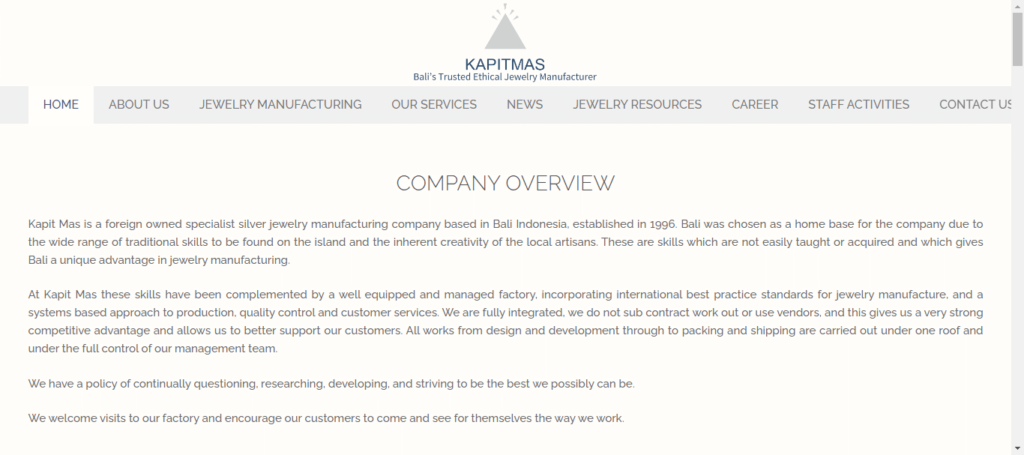
Kapit Mas is a foreign-owned company that specializes in manufacturing silver jewelry. It’s located in Bali, Indonesia, and has been in operation since 1996. The company takes advantage of the rich tradition of craftsmanship and creativity of its local artisans. Kapit Mas uses a fully integrated, one-stop approach to jewelry manufacturing. It ensures that all aspects of production from design to shipping are handled in-house without outsourcing. This approach allows the company to maintain strict quality control and customer service. Kapit Mas is adept at managing both large-scale orders and smaller, bespoke requests, thanks to its well-equipped facility that meets international standards. The company’s versatility and commitment to excellence in jewelry manufacturing are demonstrated through its exceptional services.
3. Essentials Jewelry
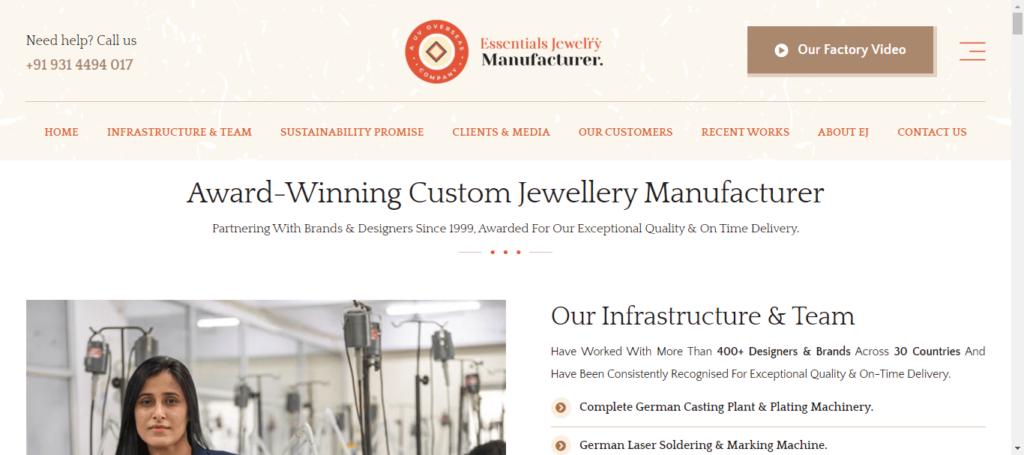
Essentials Jewelry was established ten years ago to raise the bar for jewelry production standards in the industry. Today, it is widely regarded as the premier custom jewelry manufacturer in Asia, having received numerous accolades. By implementing a streamlined manufacturing and logistics process, Essentials Jewelry has become highly proficient in producing a wide range of jewelry items, including custom, ODM, OEM, private label, and white label jewelry. The company operates from two factories and employs over 650 skilled craftsmen who collectively produce more than 7,000 high-quality pieces every day.
4. On Point Production
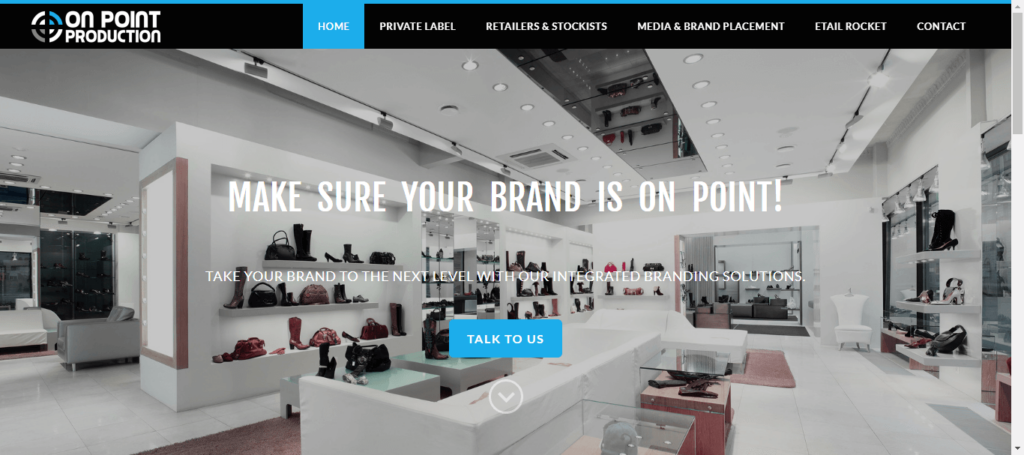
On Point Production is a company that specializes in private label jewelry manufacturing. They offer a wide range of product lines, including jewelry, fashion and accessories, purses and handbags, and packaging. With more than a decade of experience in manufacturing, design, marketing, and product placement, their team of experts provides comprehensive support to help businesses stand out in a competitive market.
5. Maroth Jewels Pvt Ltd
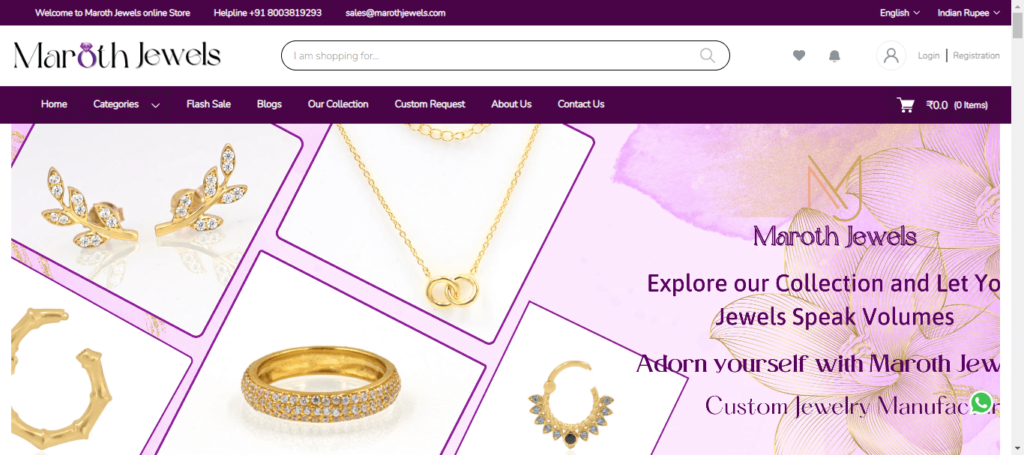
Maroth Jewels is a jewelry manufacturing company located in the heart of India. It is known for its exceptional design, manufacturing, and marketing approach that produces exquisite jewelry pieces. The company has expertise in a wide range of materials and styles, including pave diamonds, an array of gemstones, semi-precious gems, and luxurious high-end jewelry made with 14k, 18k, and 22k gold. The professional manufacturer and jewelry design teams at Maroth Jewels Pvt Ltd. bring a unique vision to product styles, staying ahead of market trends and mastering the art of craftsmanship. This commitment to quality and innovation ensures that every piece of jewelry is not just an accessory, but a masterpiece that withstands the test of time.
6. Tomade limited
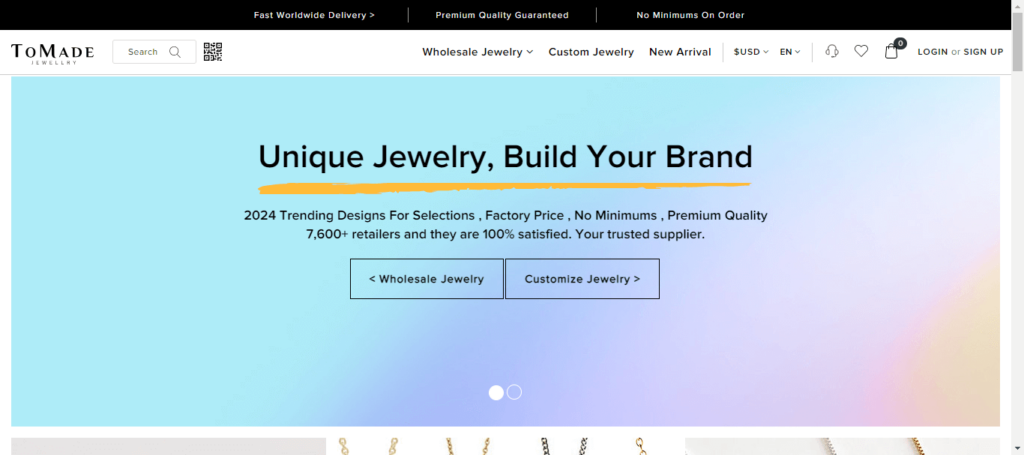
Tomade Limited is an online wholesale, custom, and design company that prides itself on being exceptional. They have their own manufacturing facilities and collaborate with a group of independent fashion designers. This combination of in-house production and designer partnership allows Tomade to offer retailers a unique range of original, high-quality fashion products at factory-direct prices. Tomade Limited is dedicated to innovation and exclusivity, ensuring that every item in its catalog meets stringent quality standards and features unique design elements that set retailers apart in the competitive fashion market. By focusing on developing long-term partnerships, Tomade Limited is the perfect source for those seeking to showcase distinctive and affordably luxurious fashion pieces.
Let’s Embark on This Journey Together!
Choosing the appropriate private label jewelry manufacturer is critical for your brand’s success as it directly affects product quality, brand reputation, and market competitiveness. It is necessary to conduct in-depth research and due diligence during this process, ensuring that the manufacturer complies with your brand’s quality standards, ethical values, and growth objectives.
When entering the private label jewelry market, it is key to consider this decision not only as a business choice but as a strategic partnership that will shape your brand’s future. The right partnership can turn challenges into opportunities, promote innovation, and help your brand to flourish in a competitive and dynamic market. Use your unique vision and values to select a manufacturer that supports your goals, ensuring a successful journey in the jewelry industry.
FAQs
Why should I choose a private label manufacturer for my jewelry brand?
Choosing a private label jewelry manufacturer enables you to avoid the expenses tied to in-house manufacturing. Developing manufacturing capabilities internally can be cost-prohibitive. Therefore, it’s often more cost-effective to enlist the services of a private label manufacturer. This strategic decision allows you to focus on brand development and marketing while reaping the benefits of professional craftsmanship, reduced production costs, and faster time-to-market for your products.
Can private label manufacturers help with jewelry design?
Yes, nowadays, many private label jewelry manufacturers offer design services to assist in refining or developing new designs that align with your brand identity. It’s essential to select a manufacturer with an in-house design team, capable of supporting your brand strategy and design aesthetic.
What should I know about minimum order quantities (MOQs)?
It is important to be aware of the minimum order quantity (MOQ) requirements of different jewelry manufacturers, as they can affect your budget and inventory strategy. You should make sure to understand a manufacturer’s MOQ requirements before establishing a partnership. If you are testing this new category out, be sure to work with a vendor with low MOQ requirements. Excess inventory can put you at a great disadvantage.
Can private label manufacturers handle jewelry packaging and branding?
Yes, most reputable private label jewelry manufacturers also provide packaging and branding services that allow you to customize the presentation of your jewelry to match your brand’s identity and values. It’s commonplace for these manufacturers to have in-house package and design teams. If they don’t, they should be able to point you in the right direction of vendors they have worked with in the past.