

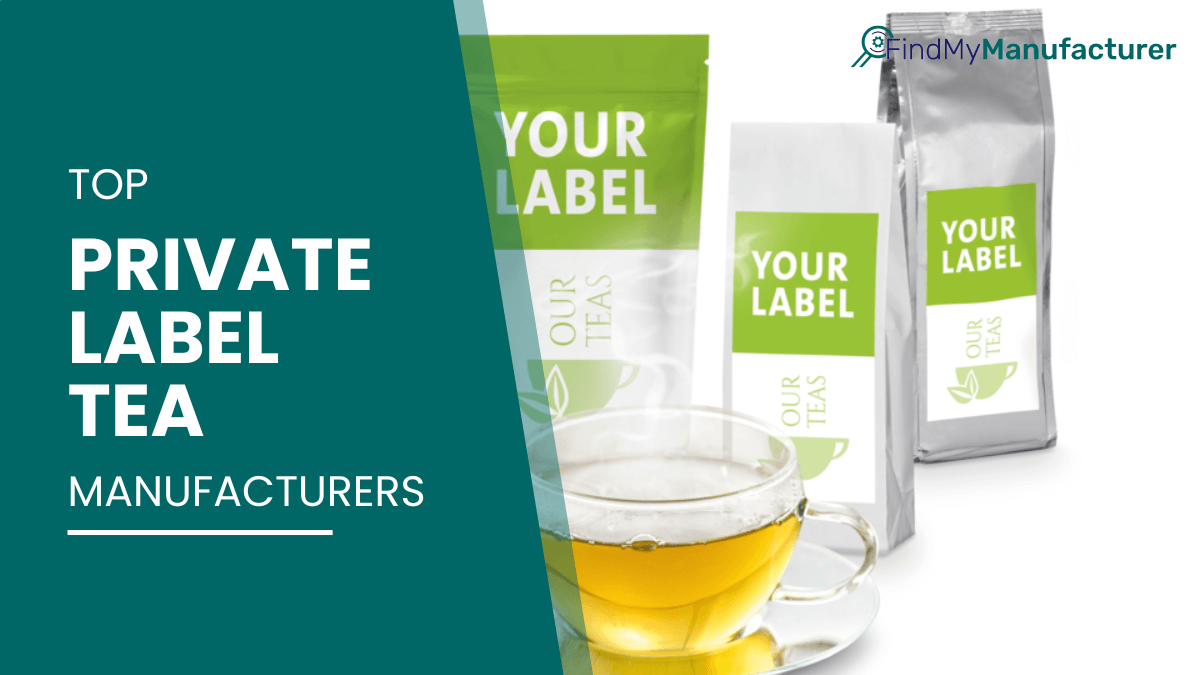
The demand for private label teas is increasing as consumers look for unique and high-quality tea experiences. Businesses, from small boutique cafes to large retailers, are turning to private label manufacturers to create distinct tea products. This trend is fueled by a growing interest in premium, personalized teas with a variety of flavors to suit different preferences. The market is expanding as consumers show a preference for sustainably sourced, organic, and eco-friendly teas, reflecting a shift towards health-conscious and environmentally friendly choices. Private label teas provide cost-effective options without compromising quality, enabling businesses to offer unique blends at competitive prices. Succeeding in this market requires understanding consumer preferences, conducting market research, and identifying niche markets.
In this blog, we will explore the top 10 private label tea manufacturers and companies that are setting the standard in the industry. Whether you’re a small business owner looking to launch your own tea brand or an established company seeking to expand your product line, these manufacturers may offer the expertise and quality you need to succeed. Join us as we delve into the key features and offerings of these leading tea producers and discover the perfect partner for your private label tea venture.
Read our recent blog – Top 10 Private Label Food Manufacturers & Companies
Key Benefits of Opting Private Label Tea Manufacturing
Opting for private label tea manufacturing offers several significant advantages:
- Cost Savings: By partnering with established third-party tea manufacturers, companies can avoid the high costs associated with setting up and maintaining their own production facilities. This enables businesses to allocate resources more efficiently and focus on marketing and sales efforts. This strategy is evident in the partnership between top private label beverage manufacturers, marketers, and distributors. This approach helps businesses reduce their capital expenditures and operational costs, thereby increasing their overall efficiency and competitiveness in the market.
- Customization: Private label tea manufacturers provide a wide range of customization options, allowing businesses to create unique blends tailored to their target market. Companies can choose specific tea leaves and flavors, and design exclusive packaging such as sachets, loose leaf, and various tins. This helps differentiate their products, build customer loyalty, and align with their brand identity. In addition, in-house design capabilities enable custom packaging designs, including labels, logos, and color schemes.
- Quality Control: Reputable private label tea manufacturers adhere to strict quality control standards to ensure high-quality products, which are crucial for brand reputation, customer satisfaction, and regulatory compliance. They source premium tea leaves, maintain rigorous blending and packaging processes, and conduct extensive testing. Continuous customer feedback and compliance with regulations like GMP/HACCP certifications ensure product safety and quality. These high standards strengthen brand reputation, enhance customer loyalty, and provide a competitive advantage in the tea industry.
By leveraging these benefits, businesses can effectively introduce distinctive and appealing tea products that resonate with consumers, thereby gaining a competitive edge in the growing tea market.
10 Best Private Label Tea Manufacturers & Companies
The list isn’t ranked, and you should thoroughly research and evaluate any tea manufacturer before deciding to work with them.
Without further ado, let’s get started.
1. Zone 8 Beverages
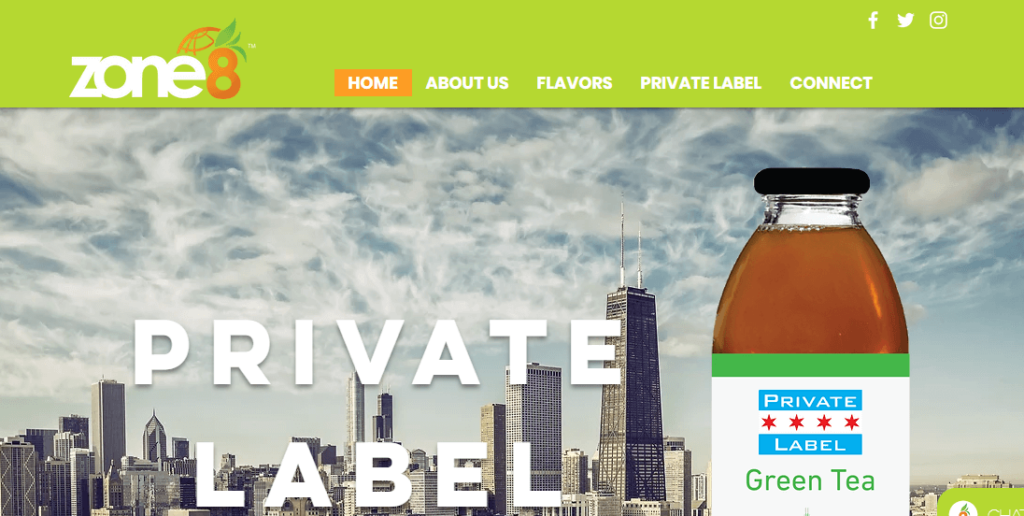
Zone 8 Beverages currently offers a diverse line of ethnically-inspired teas and is developing additional beverages, including ready-to-drink smoothies. They aim to redefine the concept of “natural” by providing the highest quality ingredients for a superior and unique taste. Whenever possible, Zone 8 Beverages ensures their products are USDA-certified organic and non-GMO Project verified. What sets Zone 8 Beverages apart, besides their exceptional flavor profiles and ingredient quality, is that all their teas are ready-to-drink and specifically designed to be enjoyed either hot or cold.
2. Sugandh Tea
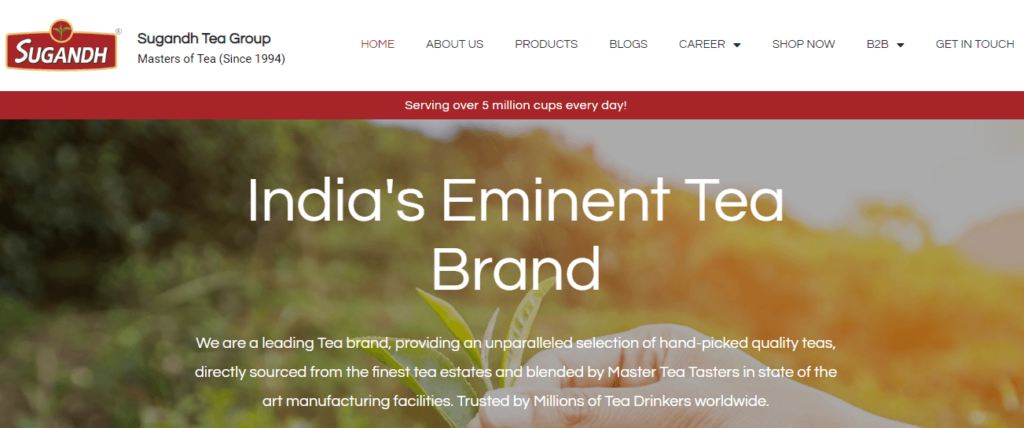
Sugandh Group is one of the largest tea manufacturers and wholesale tea suppliers in India, offering a wide range of teas including masala tea, premium chai, instant premix powder, and more. The company began its journey in 1994 intending to deliver high-quality teas and value for money to tea lovers. By combining unique flavors, local tastes, and family traditions, Sugandh Group transcends beyond tea, offering a tradition, an experience, and a testament to India’s vast cultural plurality. With a rich and successful history in tea production, blending, and distribution, Sugandh Group is committed to providing the best quality aromatic teas at the best prices, ensuring that everyone can savor the tastiest teas, consistently high in quality.
3. The Metropolitan Tea
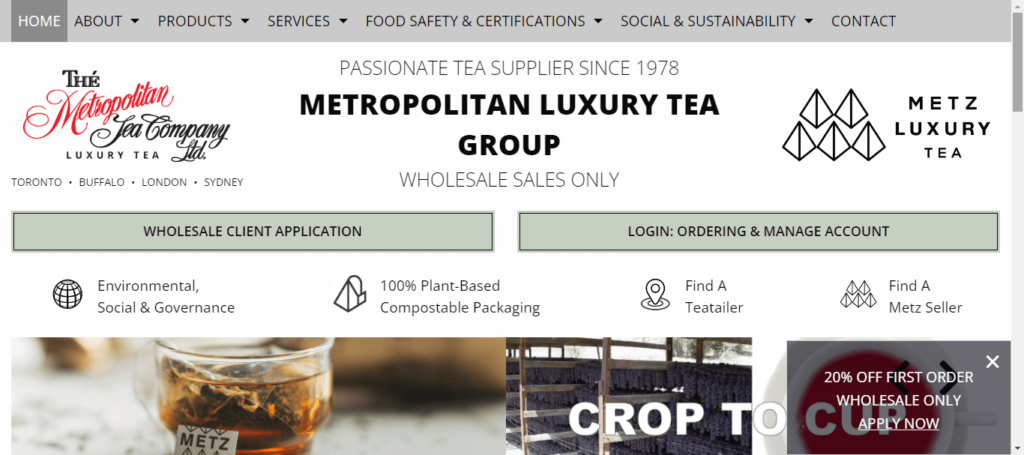
The Metropolitan Tea Company has been a cornerstone of the global luxury tea market for decades. With an ever-expanding inventory, the company offers one of the world’s largest wholesale selections of premium teas, plant-based tea bags, teaware, and tea accessories. All products are blended and packed in Canada and shipped worldwide. At Metropolitan, luxury tea is more than just a product; it is a passion. The company continually travels the world in search of sustainably produced luxury teas and accessories.
4. Blue Ocean Tea
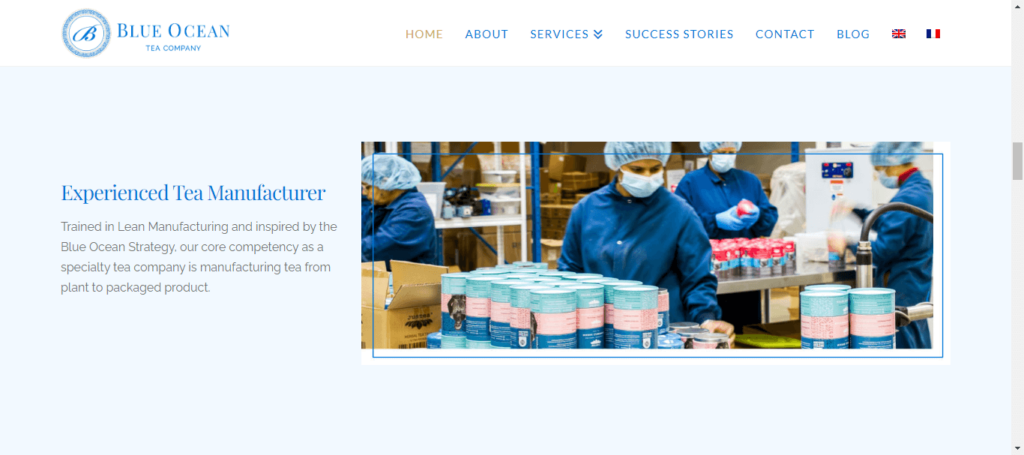
Blue Ocean Tea offers consultancy services to tea manufacturers and specialty tea company clients, assisting wholesale tea suppliers and private label tea suppliers. As a contract manufacturer and importer of tea, botanicals, and herbs for the global tea trade, Blue Ocean Tea has decades of experience in the custom formulation of functional and specialty teas. The company works collaboratively with customers to create market-friendly blends.
5. Corim Industries
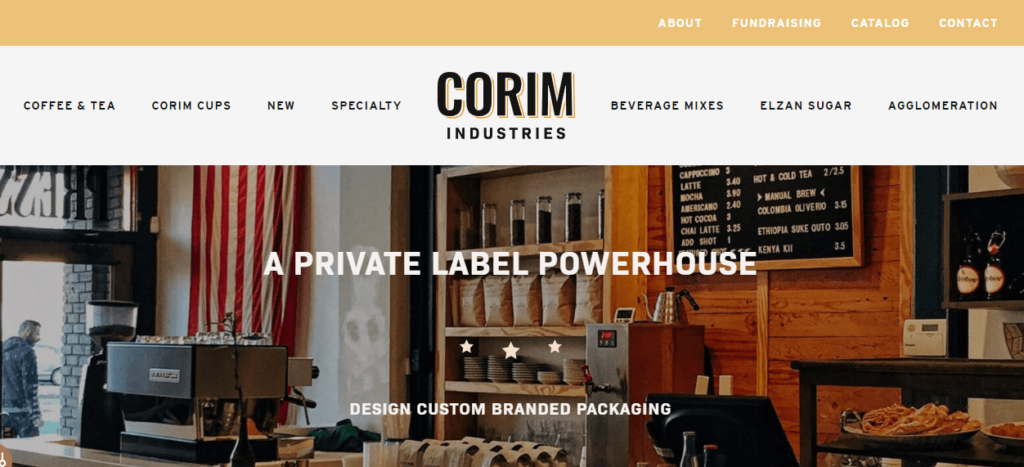
Corim Industries provides superior products to OCS, commercial, wholesale, private label, and retail customers, offering onsite coffee roasting and agglomeration services. Established in 1990 as a grassroots coffee distributor, Corim Industries has grown rapidly, fueled by a passion for quality coffee and a commitment to becoming the nation’s premier co-packing and private label manufacturer. The company specializes in sourcing a wide selection of hot and iced tea, hand-picked and imported from premium gardens, and currently focuses on the Food & Beverages sector.
6. Caraway Tea
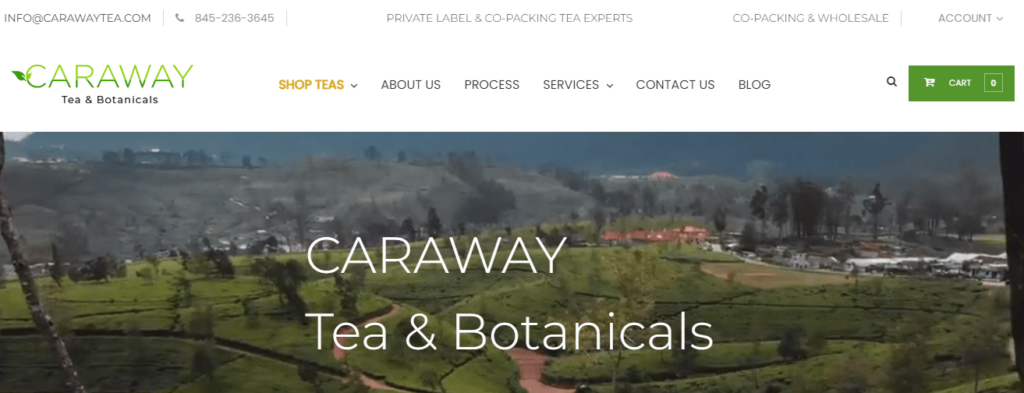
Caraway Tea is a prominent women-owned company that specializes in producing and distributing premium teas. With a strong commitment to excellence, SQF Supplement Certification, and a focus on private label and wholesale tea, the company delivers exceptional quality and unmatched service to its valued customers. Caraway Tea offers private label and wholesale tea options to cater to a wide range of businesses. Whether one is looking to create a brand of tea or stock their shelves with exceptional blends, Caraway Tea has the capabilities and expertise to meet specific needs.
7. Harris Tea
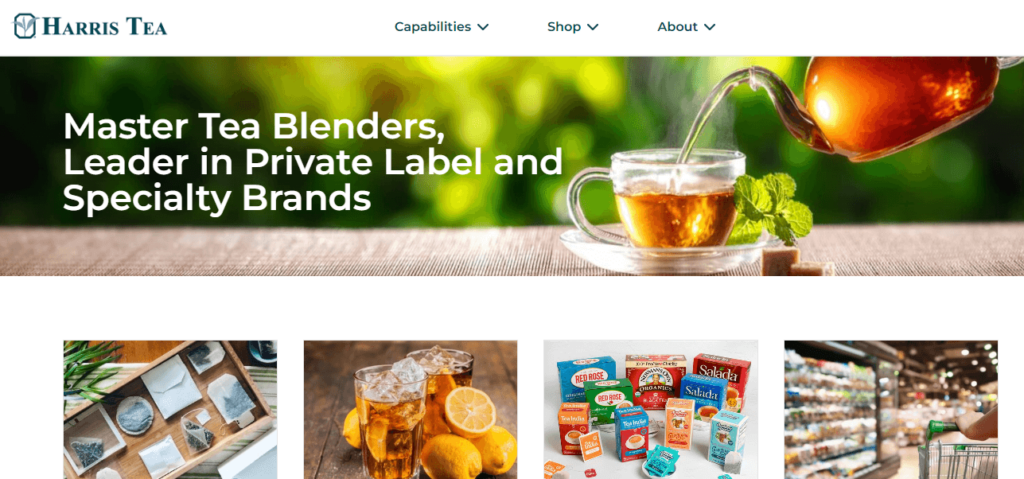
Harris Tea Company holds the top position as the leading producer of private brand black, green, herbal, decaffeinated, and specialty organic teas, iced tea, and instant tea mixes in the US. With an expansive reach, the company operates four production facilities located in California, Georgia, New Jersey, and the United Kingdom. Harris Tea is renowned as a Master Tea Blenders and a leader in Private Label and Specialty Brands.
8. Tiesta Tea
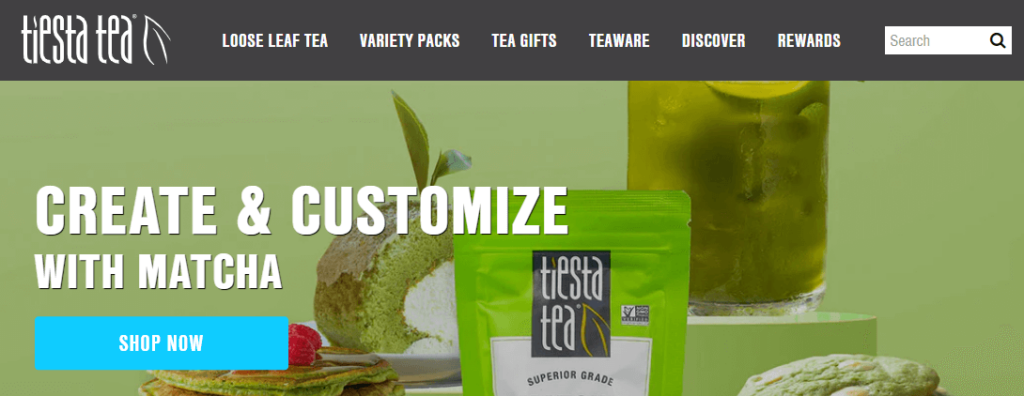
Tiesta Tea was founded with the mission to transform the way people enjoy tea. The company believes that choosing the right tea should be straightforward: understanding its benefits and flavor profile. By emphasizing function and flavor, Tiesta Tea aims to make tea accessible and easily comprehensible. The company has developed five functional categories based on the health benefits of each blend. Customers can purchase a wide range of the most flavorful loose leaf tea blends, including black tea, green tea, herbal tea, and rooibos tea, as well as gifts and more. Tiesta Tea products are available at local grocery stores.
9. Special Tea Company
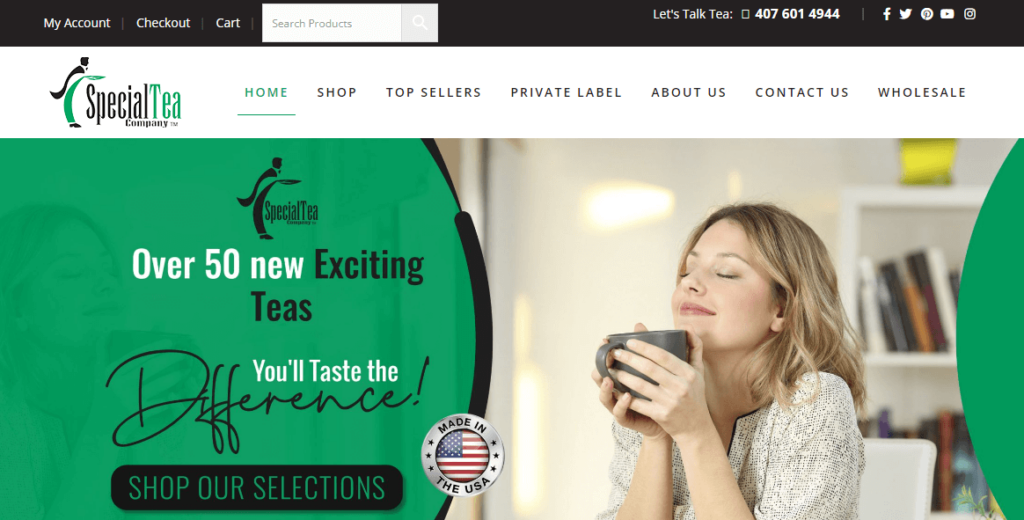
The family-owned and operated Special Tea Company, led by a British father-son team, shares the nation’s renowned love for tea. Raised in a culture of traditional tea drinkers, their affinity for tea was ingrained in their English heritage. However, their passion for high-quality teas evolved into a thriving business. What began as a love for enjoyable taste has blossomed into an extensive array of flavors. What once provided a simple pick-me-up now offers incredible health benefits. Special Tea Company boasts over 350 different teas, ensuring the freshest stock ready to ship directly from their source. Additionally, they offer hard-to-find single-serve tea options.
10. Davidson’s Organic Teas
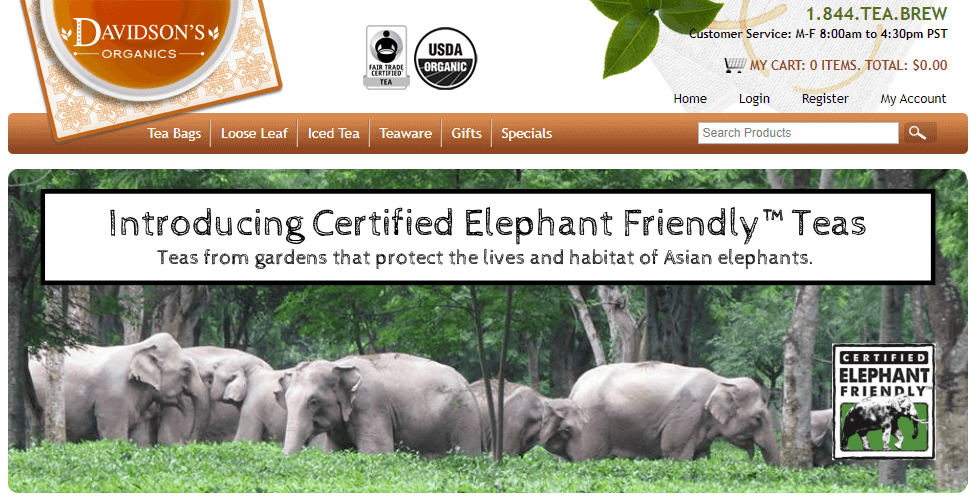
Davidson’s Organic Teas has maintained its philosophy since its inception in 1976. The company is dedicated to crafting tea blends that authentically reflect their names, using healthy ingredients sourced from small farmers practicing sustainable and socially responsible agricultural methods. As the first exclusively organic tea purveyor, Davidson’s offers the finest organic teas, catering to even the most discerning palates. Davidson’s Organic Teas is unique in its ability to claim the following distinctions: growing its tea, importing its tea, blending its tea, and packaging its tea.
How to Choose the Right Private Label Tea Manufacturer
Selecting the right private label tea manufacturer is crucial for the success of your tea brand. Here are key steps to guide you through the process:
Assess Needs
Before diving into the search for a manufacturer, clearly define your specific requirements. Consider the following questions:
- Type of Tea: What varieties of tea do you want to offer (e.g., black, green, herbal, specialty blends)?
- Volume: What is your expected order size and frequency?
- Certifications: Do you need the tea to be organic, fair trade, or have other specific certifications?
- Packaging: What kind of packaging do you need (e.g., tea bags, loose leaf, eco-friendly options)?
Understanding your needs will help you narrow down your options and find a manufacturer that aligns with your business goals.
Evaluate Options
Once you have a clear idea of your requirements, start evaluating potential tea manufacturers based on key criteria:
- Quality: Ensure the manufacturer uses high-quality ingredients and adheres to stringent quality control standards. Find manufacturers with good reputations for producing premium tea products.
- Customization: Assess the level of customization they offer in terms of tea blends, flavors, and packaging. A good manufacturer should be able to tailor their products to meet your specific needs.
- Reputation: Research the manufacturer’s reputation in the industry. Look for reviews and testimonials from other businesses they have worked with. A reputable tea manufacturer will have a track record of reliability and customer satisfaction.
Trial and Testing
Before committing to a manufacturer, it’s essential to sample their products:
- Request Samples: Ask for samples of the tea blends you are interested in. This will allow you to evaluate the flavor, aroma, and overall quality of the tea.
- Test Packaging: If you have specific packaging requirements, request samples of the packaging as well. Ensure that it meets your standards in terms of design, durability, and functionality.
- Pilot Run: Consider doing a small pilot run to test the manufacturer’s production capabilities and the consistency of their product quality.
By following these steps, you can confidently choose a top private label tea manufacturer that will help you create a high-quality, customized product that meets your business needs and delights your customers.
Conclusion
The growing demand for private label teas offers businesses the chance to create unique, high-quality products that cater to diverse consumer preferences. Understanding private label tea manufacturing’s benefits, such as cost savings, customization, and quality control, can help you make informed decisions for your brand.
When choosing a private label tea manufacturer, assess your specific needs, evaluate potential partners based on quality, customization, and reputation, and conduct thorough sampling and testing. This ensures you select a manufacturer that aligns with your business goals and helps deliver exceptional tea products to your customers. Explore the top 10 private label tea manufacturers and companies we’ve highlighted, each offering the expertise and quality needed to succeed in the competitive tea market. Start your journey today to create a tea brand that stands out and resonates with tea lovers everywhere.