

In recent years, the private label food sector has seen an unprecedented surge in innovation. Supermarket aisles are increasingly filled with high-quality, affordable private label options, competing head-to-head with established national brands. Consumers are becoming more discerning and price-sensitive, seeking alternatives that offer value and quality. This shift in consumer behavior has prompted many businesses to explore private label opportunities, resulting in a booming industry with tremendous growth potential.
Choosing the right private label manufacturer is one of the most critical decisions a brand can make. The manufacturer you choose will directly impact your products’ quality, consistency, and reputation. A reliable and innovative manufacturer can help you stay ahead of market trends, ensure compliance with industry standards, and maintain the high-quality consumers expect. On the other hand, partnering with the wrong manufacturer can lead to quality issues, supply chain disruptions, and a tarnished brand image. Therefore, conducting thorough research and due diligence is essential to find a manufacturer that aligns with your brand values and business goals.
This blog aims to guide you through selecting a top-tier private label food manufacturer by showcasing the top industry leaders of 2024. We have carefully evaluated each manufacturer based on their quality standards, innovation capabilities, production capacity, customer service, and commitment to sustainability. By the end of this blog, you will clearly understand who these manufacturers are, what they offer, and why they stand out in the crowded market of private label food production. Whether you are a start-up looking to enter the market or an established brand seeking to expand your product line, this guide will provide the insights needed to make an informed decision.
Read our recent blog – Examples of Thriving Private Label Brands
What is Private Label Food?
Private label food products are manufactured by one company but sold under another company’s brand. Essentially, a retailer or a brand contracts a manufacturer to produce food products that are packaged and sold under the retailer’s or brand’s name. This allows companies to offer unique products without owning production facilities or managing manufacturing processes.
Benefits of Private Label Food Products for Businesses
Choosing the best private label food manufacturer can offer numerous benefits for your brand or business. Here are some key advantages to consider:
- Cost Efficiency: Outsourcing food production allows businesses to save on the significant costs of setting up and running their manufacturing facilities. This enables more resources to be allocated to other critical areas such as marketing and distribution.
- Brand Differentiation: Private label food products provide the opportunity to create unique offerings that set your brand apart from competitors. This differentiation can lead to higher brand loyalty and improved customer retention.
- Flexibility and Speed to Market: Partnering with established private label and contract food manufacturers allows businesses to quickly respond to market trends and launch new products without the delays and expenses of establishing new production lines.
- Quality Control: Many private label manufacturers adhere to stringent quality standards and certifications, ensuring that the products meet high-quality benchmarks and provide consistency in taste and safety.
- Profit Margins: Private label food products often yield higher profit margins compared to branded products. Businesses can control pricing more effectively and reduce costs associated with intermediaries.
Current Trends in the Private Label Food Industry for 2024
Sustainability and Eco-Friendly Products: Consumers are increasingly demanding sustainable products, and private label brands are responding by prioritizing eco-friendly packaging, sourcing sustainable ingredients, and reducing their carbon footprint.
- Health and Wellness: There is a growing focus on health and wellness, with private label brands offering organic, non-GMO, gluten-free, and other health-conscious options to meet consumer demand.
- Innovative Flavors and Products: To stand out in a competitive market, private label manufacturers are introducing unique and exotic flavors, as well as innovative product lines that cater to adventurous palates and diverse dietary needs.
- Premiumization: Private label brands are moving beyond budget-friendly options and are now offering premium products that rival national brands in terms of quality and packaging, appealing to more affluent consumers.
- E-commerce and Direct-to-Consumer Sales: The rise of e-commerce has significantly impacted the private label food industry, with many brands now offering direct-to-consumer sales through online platforms. This trend is expected to grow, providing consumers with convenient access to a wide range of private label products.
- Personalization: Personalized nutrition and customized food products are becoming more popular, with private label brands leveraging data and technology to offer tailored food solutions that meet individual preferences and dietary requirements.
By understanding the intricacies of private label manufacturing and staying abreast of these trends, businesses can effectively navigate the market and capitalize on the growing opportunities within the private label food industry.
Criteria for Selecting the Best Private Label food Manufacturers
Selecting the right private label food manufacturer is crucial for your brand’s success. Here are the key criteria to consider:
- Quality Standards: Ensure the manufacturer holds certifications such as ISO 22000, HACCP, BRC, or SQF, which demonstrate their commitment to food safety and quality. They should comply with relevant regulations like the FDA or EFSA and have robust quality control processes from raw material sourcing to final product inspection.
- Innovation: Look for a private label food manufacturer with strong research and development capabilities and a track record of adapting to market trends, such as the rising demand for plant-based or organic products. They should also utilize advanced production technologies to enhance product quality and efficiency.
- Capacity and Scalability: The Food products company should be able to handle your current order volumes and scale up as your business grows. They need to be flexible enough to adjust to changes in production demand and have modern, well-maintained facilities and equipment to ensure consistent product quality.
- Customer Service: Choose a food private label manufacturer with a proven track record of reliability, delivering products on time, and meeting specifications. Effective communication is essential, with the manufacturer providing regular updates on production status. Additionally, they should offer comprehensive support, including technical assistance and prompt problem resolution.
- Sustainability: With growing consumer awareness around sustainability, it’s important to select a food manufacturer committed to ethical practices. They should use responsibly sourced materials, implement eco-friendly manufacturing processes like waste reduction and energy efficiency, and demonstrate social responsibility through fair labor practices and community engagement.
By evaluating third-party food manufacturers based on these criteria, you can ensure a successful partnership that supports your brand’s growth and aligns with your values.
10 Best Private Label Food Manufacturers & Companies
The list isn’t ranked, and you should thoroughly research and evaluate any food manufacturer before deciding to work with them.
Without further ado, let’s get started.
1. Organic Milling
Organic Milling began in 1960 with the introduction of homemade granola sold at a health food store in Pasadena, California. The success of this granola led to the creation of the ‘Back to Nature’ granola business, establishing Organic Milling’s reputation for unique and wholesome products. Today, their products are available worldwide in stores and online, sometimes under retailer names or private labels, alongside their own branded items.
Organic Milling offers a comprehensive cereals, granola, and snacks manufacturing program. They have the capability and flexibility to meet diverse needs, from national brand equivalents to entirely new products. Committed to quality and innovation, Organic Milling helps clients bring their product visions to life.
2. Farm Foods USA Inc.
Farm Foods USA Inc. is a privately owned food manufacturing business specializing in alternative proteins and healthy choice products. With over fifty years of experience in agribusiness and food production through its parent company in Australia, Farm Foods USA Inc has recently expanded its operations to include marketing and sales offices in the United States, along with onshore production facilities. Farm Foods USA Inc offers a range of plant-based and flexitarian products to meet the growing consumer demand and continues to innovate in this space.
3. SunOpta
SunOpta Inc. is a prominent global company committed to promoting healthier living for the planet and its people through plant-based foods and beverages, fruit-based foods and beverages, and organic ingredient sourcing and production.
SunOpta specializes in sourcing, processing, and packaging organic, conventional, and non-GMO food products. With an integrated approach from seed to packaged products, SunOpta primarily focuses on strategic, vertically integrated business models.
4. Mount Franklin Foods
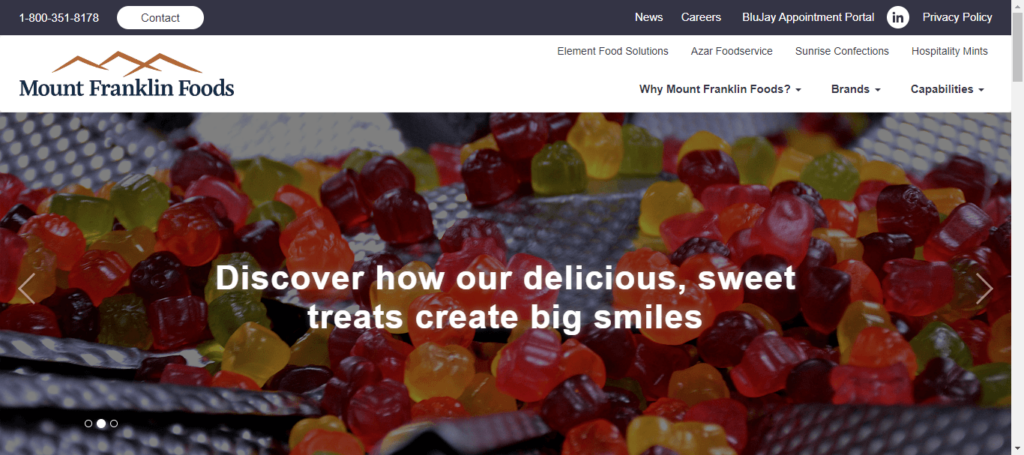
Mount Franklin Foods is a well-regarded ingredient supplier for the food service industry, offering a diverse portfolio of nut, snack, and candy brands. As a private label manufacturer, the company produces a comprehensive range of candy, nuts, snacks, and gummy products. As an industry leader, it prioritizes fostering enduring partnerships and upholding sound business practices as essential elements of its success.
5. The Warrell
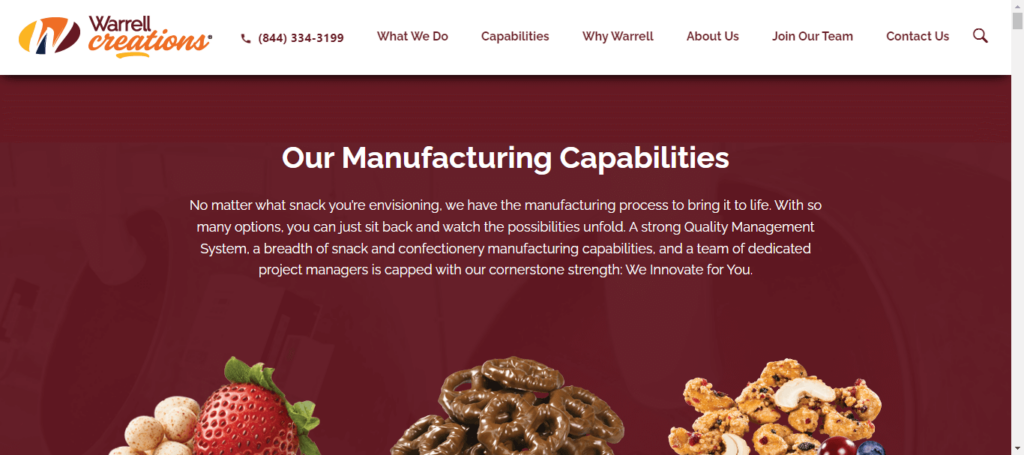
Celebrating 58 years of sweet success, The Warrell Corporation is proud to be one of the top contract candy manufacturing companies in North America. The company has developed and mastered four core manufacturing processes: chocolate enrobing, chocolate panning, fire roasting, and nut clusters. These capabilities enable Warrell Corporation to serve many of the top food companies worldwide. Exclusively a contract manufacturing and private label partner, Warrell Corporation has no brands of its own, dedicating itself entirely to helping other brands succeed.
6. FOODMatch, Inc
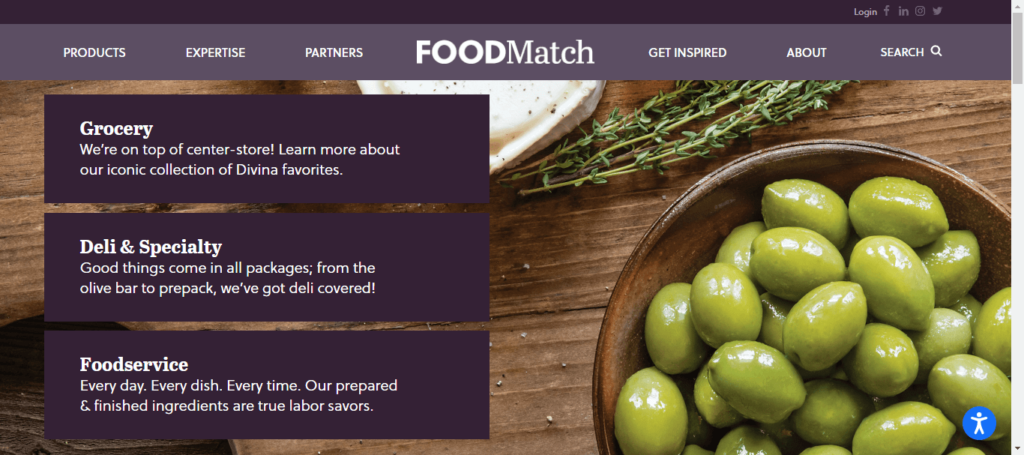
FOODMatch is a specialty food manufacturer and importer of global specialty foods from 14 countries across 5 continents. The company sources its products from culinary-rich locations like Greece, France, Italy, Spain, the USA, Morocco, Peru, and South Africa. With a catalog of over 500 items, FOODMatch offers high-quality, well-packaged, and valuable dry, perishable, and frozen products that are innovative, responsibly produced, and all-natural.
FOODMatch collaborates with partners through joint manufacturing ventures for company-owned brands or exclusive distribution agreements with innovative manufacturers. These partnerships are built on long-term commitment, desire, and capacity to establish a strong presence for their brands in the U.S. and Canada.
7. Maryland Packaging
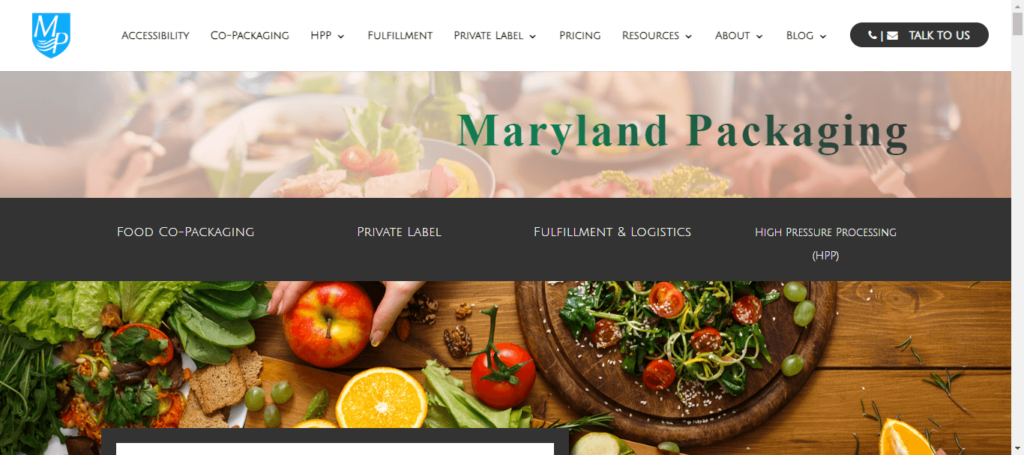
Maryland Packaging is a well-established leader in the food co-packaging and co-manufacturing industry. It is a top-notch innovation and developmental culinary center specializing in manufacturing and packaging for national brands and private labels. The company produces a variety of products, including sauces, hot and cold beverages, smoothies, ready-to-eat meals, skin-packaged items, and HPP products, all under one roof.
Maryland Packaging has emerged as a leader in the grab-and-go and snack space. It offers popular items such as Muhammara, The Green Sauce, Ful Muddamas, and ready-to-eat skin-packaged Seafood Paella, all HPP’d with a 120-day shelf life and clean label ingredients. Additionally, the company is the top co-packer for portion control sachets.
8. Croix Valley Foods
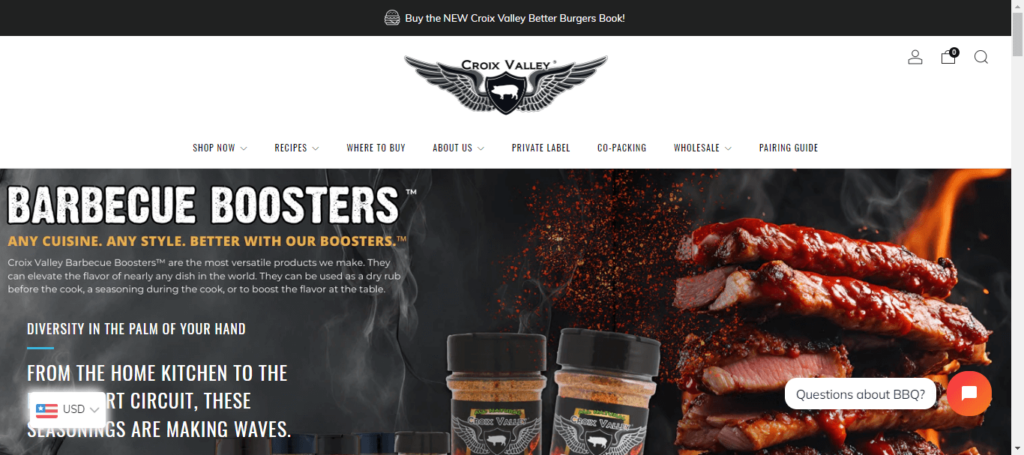
Croix Valley Foods is a manufacturer of award-winning gourmet and private-label steak and barbecue sauces, marinades, and dry rubs. The company is located in Hudson, Wisconsin, and their sauces are hand-crafted in small batches to ensure superior quality. Croix Valley products can be found in grocery stores, meat markets, specialty food stores, and restaurants throughout the Midwest, and the company is currently expanding into new markets across the country.
9. Arizona Spice
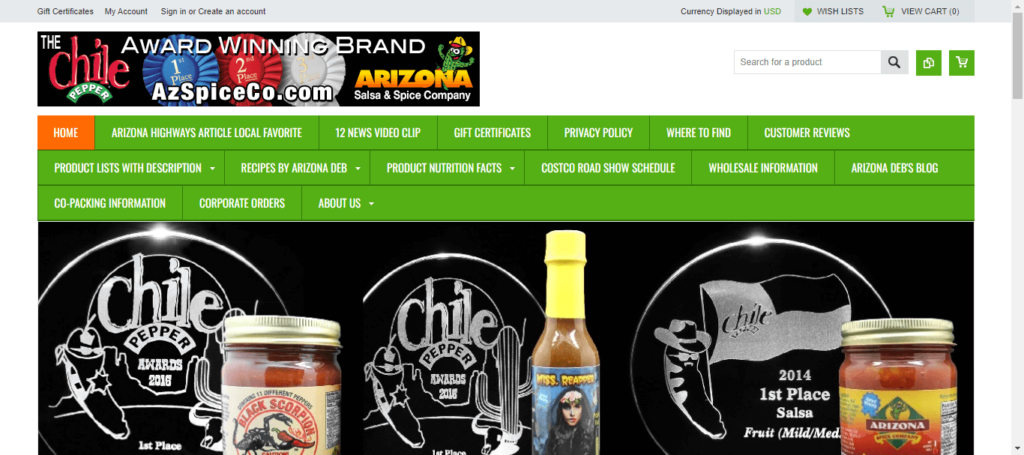
Arizona Spice is a locally family-owned and operated business that handcrafts a wide variety of award-winning sauces, rubs, seasonings, salsas, dip mixes, and custom gift baskets. Their products can be found online or at their location in Mesa, AZ, where everything is made. Arizona Spice prides itself on using no MSG, additives, or preservatives and offers USPS flat-rate fixed shipping at a low price. They offer retail, wholesale, and co-packing services, as well as private labeling. Their products are available for sale and shipping nationwide, and they provide corporate gift baskets and personalized gift baskets year-round.
10. Spicin Foods
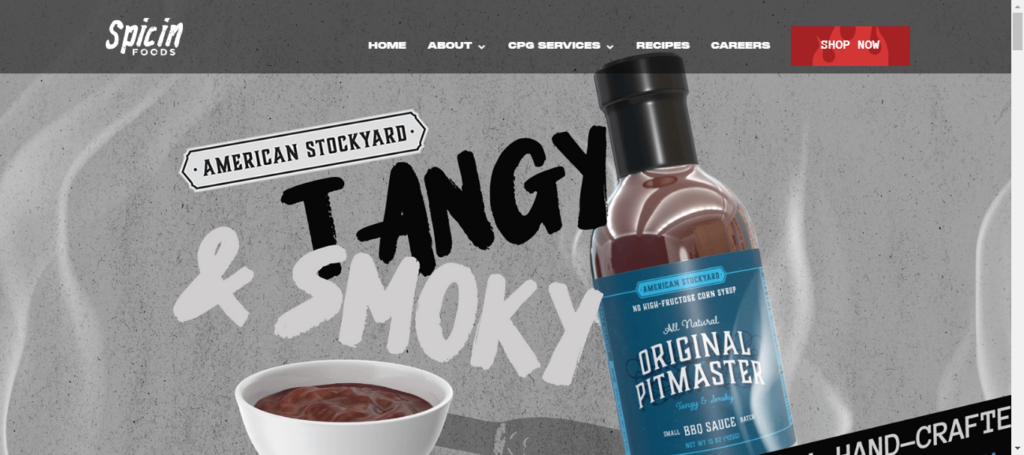
Spicin Foods has been producing specialty sauces, salsas, snacks, and dips for wholesale, retail, and co-pack/private label customers since 1998. Their 60,000-square-foot facility is located on the historic Southwest Boulevard in Kansas City, Kansas. Spicin Foods specializes in manufacturing custom food products through co-packaging and private label arrangements for over 100 companies worldwide.
Conclusion
Choosing the right private label food manufacturer is a crucial step in ensuring the success of your brand. The ideal manufacturer can deliver high-quality products, innovate with market trends, scale production to meet demand, provide exceptional customer service, and maintain sustainable practices. This decision significantly impacts your brand’s reputation, customer satisfaction, and overall growth.
We recommend that brands explore the top private label food manufacturers featured in this blog. Each of these manufacturers has been thoroughly evaluated to ensure they meet the highest industry standards. By partnering with one of these top manufacturers, you can confidently bring your products to market and achieve your business goals.