


Private label wines are gaining popularity among businesses and consumers due to their unique offerings and exceptional value. The evolving wine market has attracted more people to personalized, high-quality wines that do not come with the high price tags of well-known brands.
Businesses are increasingly using private label wines to differentiate themselves in the competitive market, offering exclusive products that enhance their brand identity and meet the specific preferences of their customers. For consumers, private label wines offer premium quality at a more affordable price, often featuring unique blends and flavors crafted to stand out. The flexibility and creativity in private label wine production drive this trend, making it a win-win for everyone involved.
In this article, we will explore the top private label wine companies and manufacturers of 2024. You’ll gain valuable insights into each company’s unique selling points, the varieties of wines they offer, and why they stand out in the industry. Whether you’re a business looking to create your own wine brand or a wine enthusiast curious about the best options, this guide will help you navigate the top manufacturers and make informed decisions. Discover the benefits of partnering with these leading companies and how they can help elevate your wine offerings to new heights.
As per Statista, The U.S. wine market is expected to be the largest wine market worldwide in 2027, with an estimated market value of about 71 billion U.S. dollars that year.
This indicates the significant opportunity that private label wine companies will have.
Now, let’s explore the latest trends in the alcohol industry.
Current Trends in the Private Label Wine Industry for 2024
The private label wine industry is quickly evolving due to changing consumer preferences and innovative approaches from producers. Here are the key trends shaping the alcoholic beverages market in 2024:
- Sustainability and Organic Wines:
Sustainability remains a major trend in the wine industry, with an increasing number of consumers looking for eco-friendly and organic options. Private label wine companies are adopting sustainable practices, such as organic farming and eco-friendly packaging, to cater to environmentally conscious consumers. This shift not only benefits the planet but also enhances brand loyalty and trust. - Customization and Personalization:
Customization is becoming a significant draw for white label and private label wines. Companies are offering more personalized experiences, allowing businesses to create unique blends, labels, and packaging that reflect their brand’s identity. This trend caters to the desire for exclusivity and individuality among both businesses and consumers. - Premiumization:
There is a noticeable trend towards premiumization in the private label wine sector. Consumers are willing to pay more for high-quality wines that offer exceptional taste and experience. Private label manufacturers are responding by focusing on producing premium wines that rival established brands in quality but come at a more accessible price point. - Technology Integration:
Technology is playing a crucial role in the wine industry, from vineyard management to the consumer experience. Private label wine companies are leveraging advanced technologies for better vineyard management, quality control, and traceability. Additionally, the use of digital platforms for direct-to-consumer sales and marketing is on the rise, making it easier for consumers to discover and purchase private label wines. - Alternative Packaging:
Innovative packaging solutions are gaining traction in the private label and white label wine market. From canned wines to eco-friendly boxed options, alternative packaging is appealing to a younger demographic looking for convenience and sustainability. These packaging formats are practical and help reduce the carbon footprint associated with traditional glass bottles. - Health and Wellness Focus:
As health and wellness trends continue to influence consumer behavior, there is an increasing demand for wines that align with these values. Low-alcohol and no-alcohol wines, as well as wines with lower sulfite levels, are becoming popular choices. Private label wine manufacturers are tapping into this trend by offering products that cater to health-conscious consumers. - Global Flavors and Blends:
Consumers are becoming more adventurous with their wine choices, seeking out unique flavors and blends from around the world. Private label wine companies are expanding their portfolios to include a diverse range of wines that showcase global influences, from exotic grape varieties to innovative blending techniques.
These trends highlight the dynamic nature of the private label wine industry in 2024. By staying attuned to these developments, businesses can better position themselves to meet consumer demands and capitalize on emerging opportunities in the market.
10 Best Private Label Wine Companies & Manufacturers
The list isn’t ranked, and you should thoroughly research and evaluate any wine manufacturer before deciding to work with them.
Without further ado, let’s get started.
1. Summerland Wine Brands
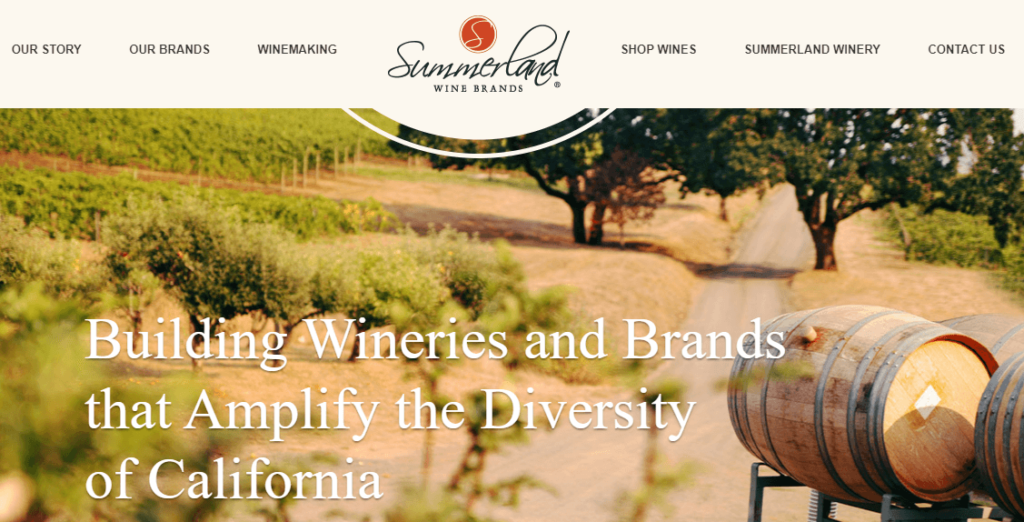
Summerland Wine Brands constructs wineries and develops brands that highlight the diversity of California. They specialize in custom crush services, California wines, custom wine projects, and private labeling services. Summerland Wine Brands offers a range of California wines for home delivery and curbside pickup.
2. Constellation Brands, Inc

Constellation Brands is a leading international producer and marketer of beer, wine, and spirits with operations in the U.S., Mexico, New Zealand, and Italy. Their mission is to build brands that people love, driven by the belief that elevating human connections is worth reaching for. This dedication involves hard work, calculated risks, and anticipating market trends to deliver more for consumers, shareholders, employees, and the industry. This commitment has propelled Constellation Brands to become one of the fastest-growing, large consumer packaged goods (CPG) companies in the U.S. retail market, continually striving to deliver what’s next.
3. Napa Valley Private Label Wine
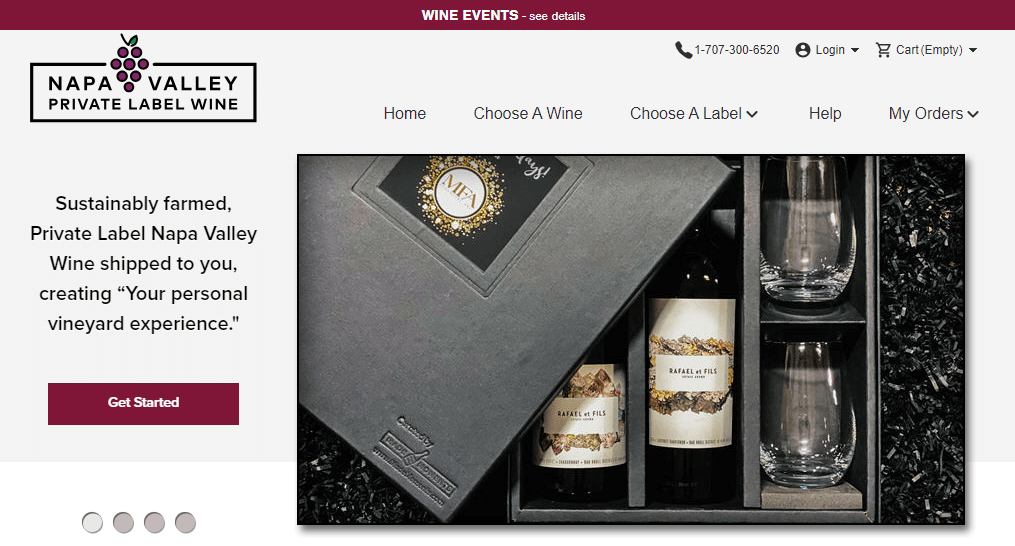
Napa Valley Private Label Wine gives you the chance to have your own personalized wine label. They offer high-quality wines and allow individuals to design their own wine labels, one case at a time. With sustainably farmed wines, Napa Valley Private Label Wine provides a personalized vineyard experience and ships custom private label wines directly to customers.
4. Owl Ridge Wine Services
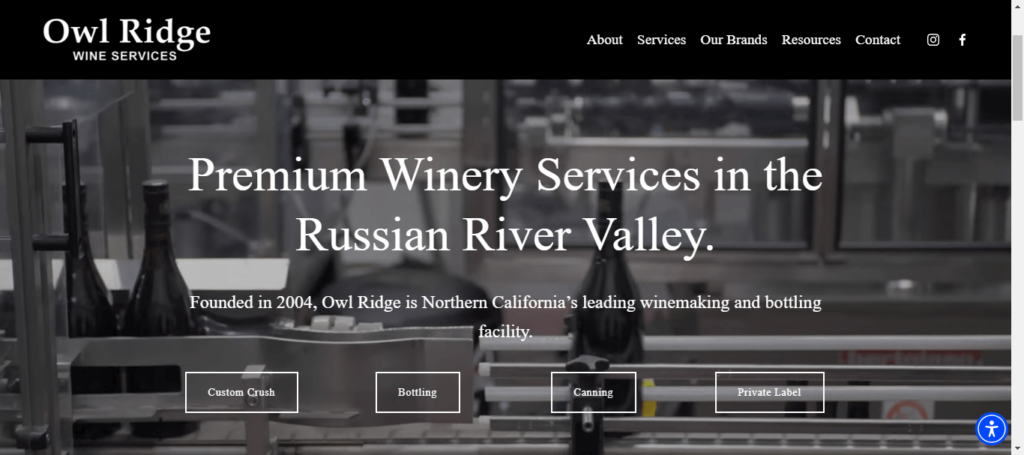
Owl Ridge Wine Services is an ultra-premium custom winemaking facility located in the Russian River Valley. Their mission is to provide responsive, professional, and conscientious service to clients with all-inclusive pricing and a staff dedicated to producing the highest quality luxury wines. Owl Ridge Wine Services offers custom crush, premium wine bottling, and private label services from their Northern California facility in Sebastopol.
5. Mountain View Wines
Mountain View Wines, established in Morgan Hill, California, carefully selects exceptional vineyards from various regions throughout the state. Since its founding, Mountain View Winery has been dedicated to producing wines of outstanding quality. The winery’s vineyards are situated in regions renowned for their strong varietal character, thanks to exceptional weather, climate, and soil conditions. These regions include Monterey, Amador, Napa, Sonoma, and the Central Coast.
6. Minhas Brewery
The Minhas Craft Brewery, located in historic Monroe, WI, is the Midwest’s oldest brewery and the second-oldest in the entire nation. As the oldest brewery in the Midwest and the second oldest in the country, it offers daily tours and tastings for visitors to explore and enjoy.
7. Four Feathers Wine Services
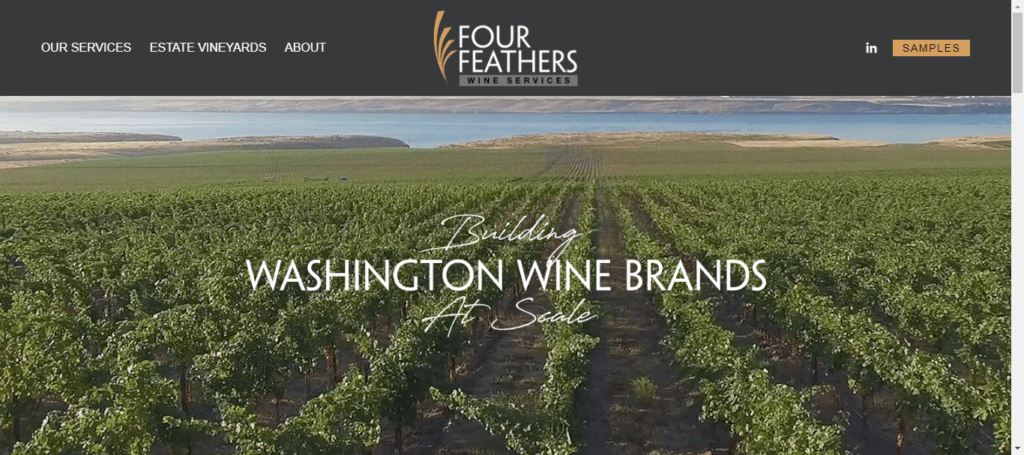
Four Feathers Wine Services helps partners create and develop Washington brands on a large scale by providing top-notch custom winemaking, grape sales, and packaging services. As a vertically integrated, family-owned company, they cultivate 3,500 acres of wine grapes and produce and package custom premium wines for almost 300 clients across the country at their advanced facilities in Washington State. Whether it’s a new winery making its first batch or a well-established national brand producing thousands of cases each year, Four Feathers Wine Services assists in creating a final product to be proud of.
8. McClain Cellars
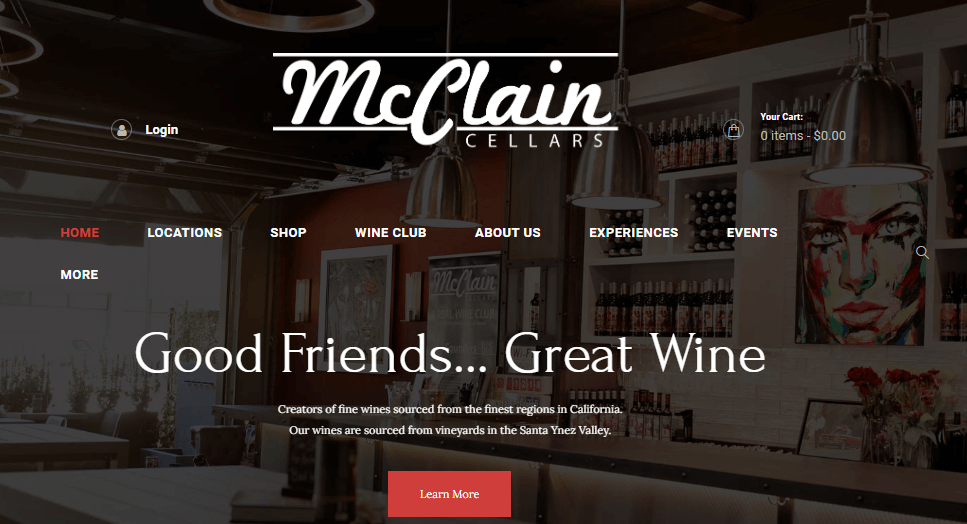
McClain Cellars produces custom wines for stores, brands, and individuals looking to create award-winning wines for themselves or their businesses. The winery, founded by Jason and Sofia McClain, is located in the Santa Ynez Valley, where they grow and produce all their wines. McClain Cellars offers a variety of exceptional reds, crisp whites, blends, and even a port in their current collection. With vineyards in the Santa Ynez Valley and the family’s origins in Orange County, McClain Cellars passionately crafts beautiful red and white wines.
9. BevSource
BevSource is the go-to resource for the beverage industry. They provide ingredients, packaging, product development, and consulting services to help bring beverages to market. By leveraging their extensive supply relationships and industry expertise, BevSource turns ideas into reality and scales them for success. They offer turnkey beverage solutions, allowing clients to focus on building their brands. BevSource covers a wide range of beverage categories such as non-alcoholic, alcoholic, cannabis (CBD/hemp/THC), energy, functional, protein, kombucha, plant-based, juices, CSD, sports drinks, waters, pre- and probiotic beverages, coffee, tea, beer, RTD cocktails, hard seltzers, wine spritzers, ciders, spirits and distilled liquors, powders, and fermented shelf-stable products.
10. BevZero
BevZero is a global leader in beverage services and equipment, specializing in dealcoholization and low- and no-alcohol product formulation. Their mission is to use their expertise, technologies, and services to assist customers in bringing the highest quality wine, beer, cider, and spirits to market. BevZero offers a range of services to customers producing low-and-no-alcohol products, including product formulation, supply chain management, dealcoholization, and white-label products. Their private label program allows clients to develop and own their exclusive non-alcoholic wine product, while the white-label.
Conclusion
In this blog, we discussed the increasing popularity of private label wines and why businesses and consumers are being drawn to them. We provided insights into what private label wines are, highlighted the key criteria for selecting top manufacturers, and introduced the top 10 white label and private label wine companies & manufacturers of 2024. Each company was discussed in terms of its unique selling points and wine varieties, helping you understand why they stand out in the industry.
If you’re considering creating your own private label wine brand or are simply curious about the best options available, we encourage you to reach out to the featured companies for more information. You can also visit our platform to explore detailed profiles and connect with these top manufacturers. Take the next step in elevating your wine offerings by partnering with industry leaders.