

Are you considering expanding your product line to include private label CBD products? Look no further – we’re here to provide you with valuable insights. In this blog guide, we’ll introduce you to some of the ‘Top Private Label CBD Manufacturers in the USA.’
These manufacturers are a great start to researching and finding a fit for your unique business needs. Let’s kickstart your CBD journey together!
The Significance of Private Labeling in the CBD Market
Ever wondered why CBD private label products on the market come in diverse packaging and brands? Enter the world of private labeling. Today, we’ll delve into the reasons why private labeling is crucial for CBD products.
Whether you’re a business owner, a CBD enthusiast, or just curious, this information is for you. Private labeling gives CBD products their distinct identity, a pivotal factor in the CBD industry.
Let’s explore why private labeling is a game-changer for both CBD enthusiasts and those in the industry!
- Creating a Unique Brand Identity: CBD Private label products empower you to develop items that align seamlessly with your brand, incorporating unique characteristics, messaging, and design elements that resonate with your target audience. This approach not only sets your offerings apart from generic options but also fosters trust among CBD enthusiasts who appreciate the authenticity and consistency of your brand.
- Cost-Effective Product Launch: Private labeling offers a cost-effective and efficient way to introduce new CBD products to the market. By leveraging existing formulations and manufacturing processes, you can bypass lengthy research and testing phases, significantly reducing both time and expenditure. This allows you to respond to consumer demands and trends in the fast-paced CBD supplement market.
- Building Trust through Safety: Establishing trust with discerning consumers begins with ensuring the safety and effectiveness of your CBD products. Through rigorous quality control measures, transparent sourcing practices, and adherence to regulatory standards, you can meet and exceed expectations. The CBD industry is all about transparency and reliability. You can foster long-term loyalty and a positive brand reputation by building trust through safety.
- Offering Distinctive Solutions: Crafting your brand of CBD products enables you to provide distinctive solutions tailored to the unique needs and preferences of your target market. Whether it’s innovative formulations, specialized delivery methods, or personalized packaging, your private label allows for creative flexibility to differentiate your offerings from competitors. Consumers seeking an authentic and effective product are more likely to return to your brand when they’ve had this experience.
- Adapting to Trends: Having your private label affords you the flexibility to adapt and expand your product range quickly in response to evolving market trends and consumer preferences. By closely monitoring industry developments and consumer insights, you can proactively introduce new products, formulations, and packaging options that resonate with current demands. This flexibility not only keeps your brand relevant but also positions you as a trendsetter in the competitive CBD landscape. You have the potential to capture market share and drive sustained growth.
Reading about some of the top CBD private label manufacturers will give you further insight into creating your distinguished CBD brand. As you embark on your research to find the best fit for your business, keep in mind the benefits of a private label. Elevate your brand, captivate customers, and leave a lasting impression in the competitive CBD market.
Read our blog: Why Do Retailers Need to Have a Private Label Brand?
How to Choose Private Label CBD Manufacturers?
Choosing the right private label CBD manufacturer is crucial for the success of your business. Here are some steps to help you make an informed decision:
- Research: Start your journey by immersing yourself in the world of CBD manufacturers, specifically seeking out companies that specialize in private labeling CBD products. Take a deep dive into their websites, carefully examine customer feedback, and gather comprehensive information about their reputation, product quality, and production processes.
- Quality Assurance: Make sure the manufacturer sticks to strict quality rules. Check for certifications like Good Manufacturing Practice (GMP) certification. It guarantees the products are made and controlled in line with quality standards all the time.
- Transparency: Choose a manufacturer that is transparent about its sourcing and manufacturing processes. They should be able to provide information about the source of their hemp, extraction methods used, and third-party lab testing results to verify the potency and purity of their products.
- Product Variety: Consider the range of CBD products offered by the manufacturer. Depending on your target market, you may want to offer a variety of products such as CBD oil, tinctures, capsules, gummies, CBD topicals, and CBD pet products. Make sure the manufacturer can produce the products you’re interested in.
- Customization Options: Determine whether the manufacturer offers customization options for packaging, labeling, and formulation. This is important if you want to create unique branding and differentiate your products from competitors.
- Minimum Order Quantity (MOQ) and Pricing: Know the private label CBD companies’ Minimum Order Quantity (MOQ) demands and pricing system. Make sure it matches your budget and sales estimates. Some manufacturers might give discounts for bigger orders, so think about your business goals for the long haul.
- Customer Support: Assess the manufacturer’s customer support and communication methods. It’s important to partner with a company that promptly responds to your questions, keeps you informed about orders, and offers help whenever required.
- Compliance and Legal Considerations: Ensure the manufacturing company follows all the rules and laws for making and labeling CBD products. This means they should stick to the Farm Bill, FDA rules, and guidelines specific to the state.
- Location: Take into account the manufacturer’s location, particularly if you favor collaborating with a nearby or domestic supplier for smoother communication, shipping, and adherence to regulations.
- References and Recommendations: Get in touch with other businesses or professionals in the CBD industry to ask for recommendations or references. Their knowledge and firsthand experiences can offer valuable insights when selecting a manufacturer.
By carefully considering these factors and conducting thorough research, you can select a private label CBD manufacturer that meets your needs and helps you build a successful CBD business.
Read our blog: Key Considerations When Choosing a Private Label Manufacturer
10 of the Best Private Label CBD Manufacturing Companies to Follow in 2024
We’ve compiled a list of some of the best private label CBD manufacturers currently in the US. The list isn’t ranked and be sure to thoroughly vet any vendor before deciding to work with them. It’s important to find a high-quality vendor that fits your specific business needs.
1. CBD Nationwide
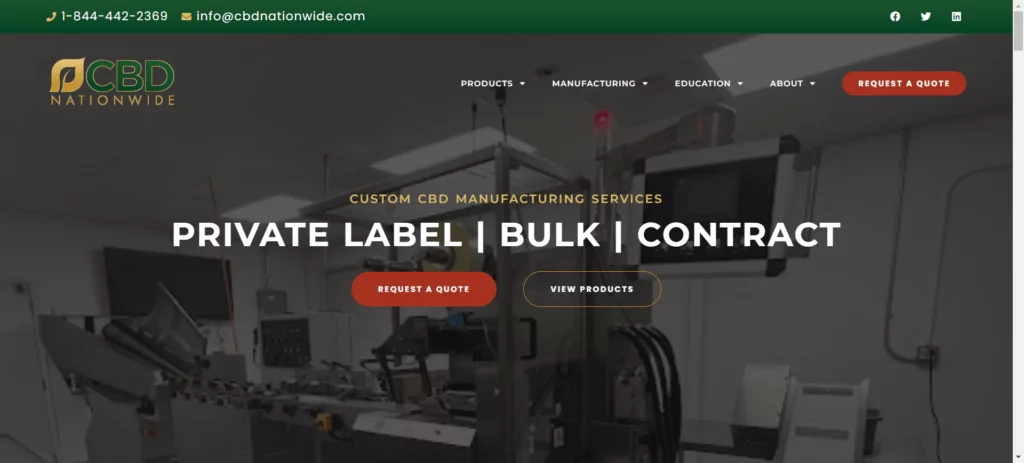
CBD Nationwide offers an array of ready-to-go formulas plus customizable options. They develop all of their products in-house to ensure quality control in their FDA-approved facility. They handle all aspects of the manufacturing and distribution process. They position themselves as a transparent, flexible manufacturer that can custom a formula and meet a brand’s unique needs, and support their creativity.
2. Sequoya Biotechnologies
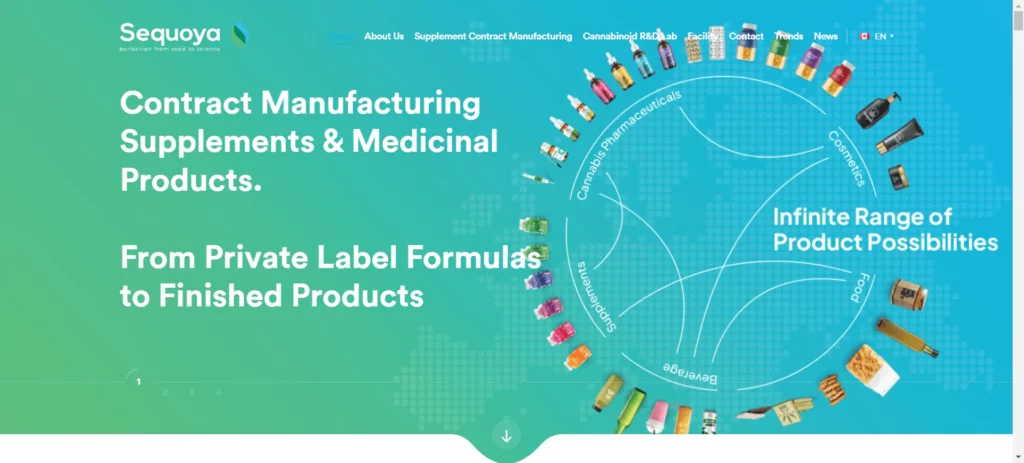
With a presence in both Canada and Europe, Sequoya Biotechnologies strategically situates itself at the epicenter of two of the globe’s most dynamic markets for cannabinoid product innovation, medicinal advancement, and CBD brand trends spanning continental landscapes. At the heart of Sequoya’s operations lies its European Cannabinoid Contract Manufacturing Facility, a state-of-the-art CBD and cannabinoid production laboratory serving over 260 clients across 24 countries worldwide. Specializing in white-label CBD oils, custom private-label CBD oils, and an extensive range of CBD capsules and gummies tailored for consumer-based retail brands, Sequoya also provides cannabinoid active ingredients for medicinal and pharmaceutical companies globally.
3. Opulent Organics
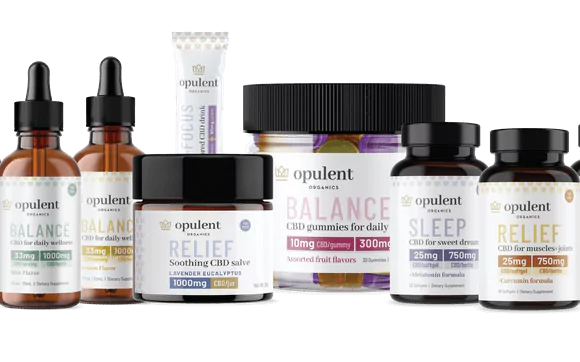
Opulent Organics boasts its ultra-potent premium hemp rich in over 100 cannabinoids and terpenes. They adhere to top manufacturing standards for safety and efficacy. They also cultivate their pure Colorado hemp without harsh chemicals or pesticides. They have a Chief Product officer, and a Doctor of Pharmacy, overseeing the purity and efficacy of the all-natural ingredients used in their CBD creams, CBD gummies, and capsules. Their products also undergo third-party testing.
4. JAG Alliance
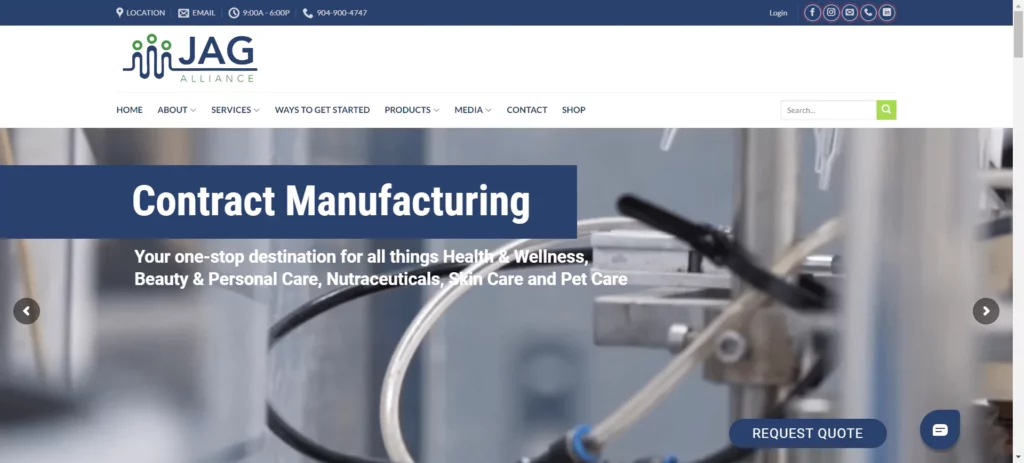
JAG Alliance emerges as a leading CBD private label manufacturer, boasting a commitment to excellence and transparency. Their hemp is cultivated under organic conditions and they ensure non-GMO status. Formulated in the USA and subjected to rigorous third-party testing, they proudly state that their products are gluten-free, natural, and compliant with industrial hemp regulations outlined in the Farm Bill. Additionally, they commit themselves to formulating products free from pesticides, metals, and harsh chemicals in their THC-free CBD offerings.
5. Neurogan
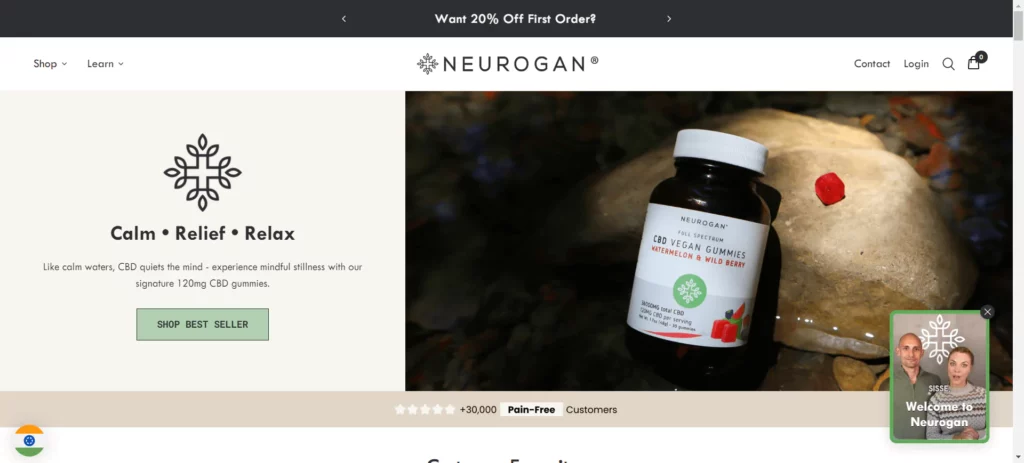
Neurogan begins with its mission to harness the transformative power of plants to unlock individuals’ highest potential. Their work is rooted in the belief that hemp (cannabis) holds the key to healing complex ailments like stress, sleep disorders, anxiety, and pain. They strive to empower consumers with plant-based remedies. As a private label CBD manufacturer, Neurogan is dedicated to being a trusted source of plant-powered products and education, leading to the restoration of balance in both body and mind. They offer not only their crafted CBD offerings but also comprehensive guidance on the use of cannabis.
6. Laurelcrest
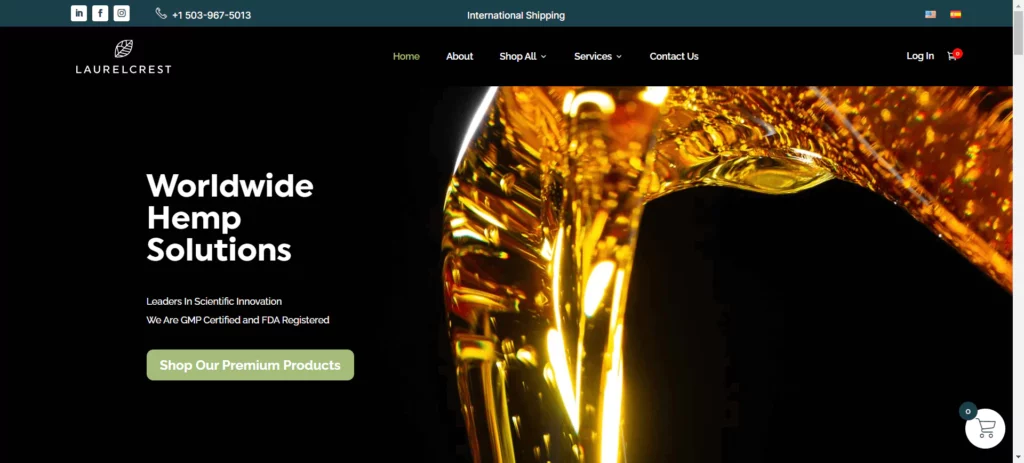
Laurelcrest stands as a distinguished private label CBD manufacturer, with an experienced formulation and development team that guides a brand from its concept to production. They deliver finished packaged products tailored to a brand’s specific vision. Housed within a state-of-the-art facility, they maintain control over the supply chain, manufacturing raw cannabinoid bulk ingredients, custom blends, and finished products all under one roof. They prioritize the trust and satisfaction of their customers, competitive pricing, full traceability, and consistent high-quality CBD. Their team places great value on the client’s goals and visions.
7. CanniLabs
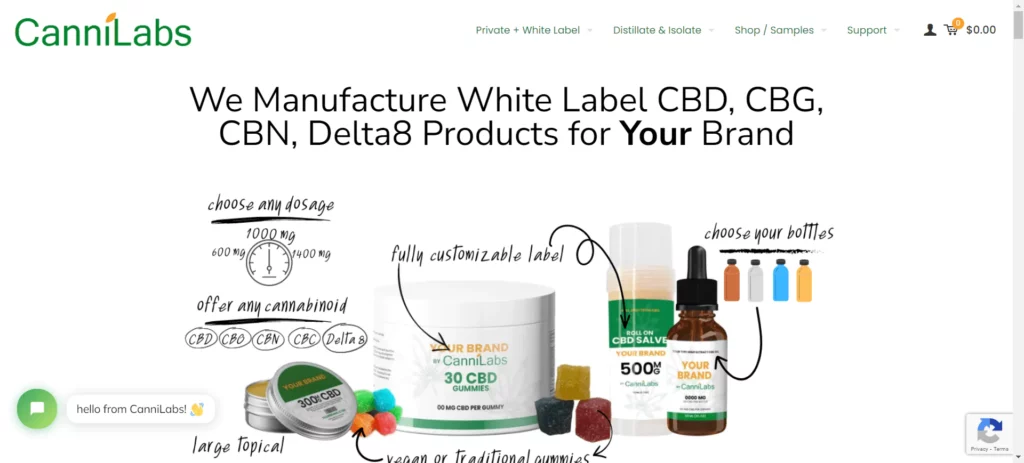
CanniLabs distinguishes itself as a leading private label CBD manufacturer, offering the opportunity to create a standout CBD brand with high-quality products that foster customer loyalty. They focus on providing premium products at processor-direct pricing and offer a diverse selection of CBD and cannabinoid products ready for branding. They offer the additional option to formulate custom solutions tailored to a brand’s unique identity. Their branding service allows you to collaborate with their designers or submit a logo/label design based on their packaged label sizes. Following third-party COA and label-proof approvals, they generally have a 2-3 week turnaround on your order.
8. Joy Organics
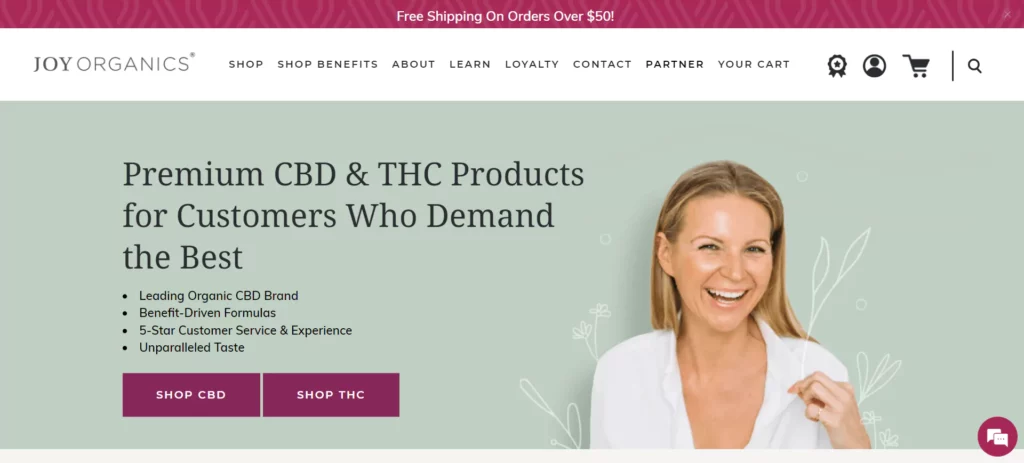
Joy Organics, a family-owned and operated CBD enterprise, specializes in crafting premium full-spectrum and THC-free hemp products. With a presence spanning three brick-and-mortar stores and an extensive network of over 100 retailers, Joy Organics has positioned itself as a frontrunner in the competitive CBD market. By joining forces with Joy Organics, entrepreneurs gain access to comprehensive support and guidance, empowering them to thrive in the dynamic CBD landscape. Whether through wholesale partnerships or private label initiatives, Joy Organics has shown its dedication.
9. RAD Extracts
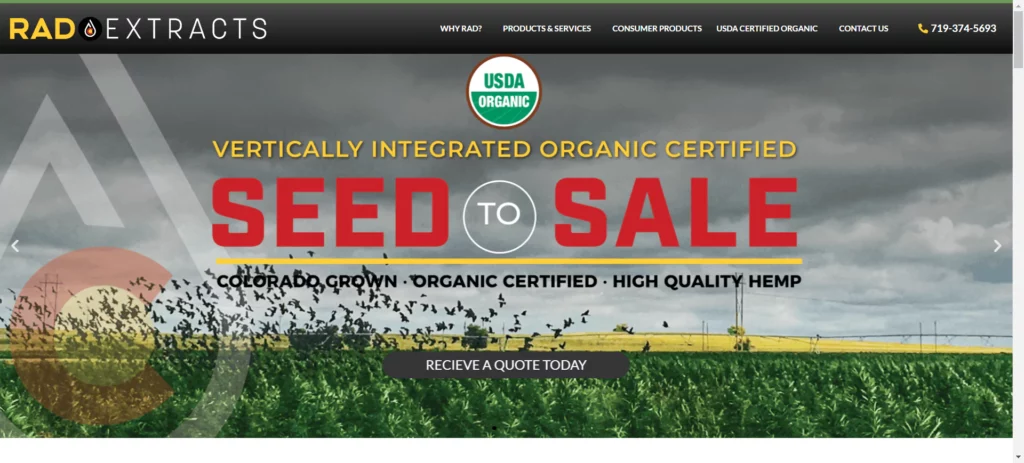
RAD Extracts stands as a destination for Organic Certified Hemp CBD oil. They are committed to extracting the cleanest, most sustainable, and cost-effective CBD oils available. Their operations are vertically integrated, ensuring complete traceability and quality. Their process starts with the genetics planted in the ground to organic cultivation practices, extraction methods, bulk manufacturing, and white-label processes.
Rad Extracts provides a range of products including organic certified wholesale hemp extract, organic certified bulk mixtures, THC-free hemp extract, and pure CBD isolate. They also offer a diverse selection of white-label CBD products, available in both organic and non-organic variants, including CBD tinctures, creams, balms/salves, cooling gels, gummies, and gel capsules.
10. BulKanna
BulKanna specializes in B2B Bulk and Wholesale supply solutions, providing a comprehensive range of CBD extracts and isolates, finished products, hemp biomass, feminized hemp seeds for cultivation, terpenes, and additional offerings. They also extend a complete suite of White/Private label services. As a prominent manufacturer and wholesaler situated in the USA, BulKanna produces CBD capsules, gummies, cosmetics, beauty, and skincare products.
Conclusion
The private label CBD manufacturing industry provides a broad range of options designed to meet various needs and preferences. Whether you’re considering established players like Joy Organics and JAG Alliance or exploring newer entrants such as CBD Nationwide and Neugan, there’s no shortage of choices for businesses. Each manufacturer brings its unique strengths to the table, whether it’s a focus on product quality, flexibility in customization, or adherence to regulatory standards. However, businesses must conduct thorough research, considering factors like reputation, certifications, pricing, and customer support, to make informed decisions. By carefully evaluating these private label CBD manufacturers and many others, businesses can confidently choose a partner that aligns with their goals and values, setting themselves up for success in the dynamic CBD market.
Frequently Asked Questions (FAQs)
1) How do I choose the right private label CBD manufacturer?
Consider factors such as the manufacturer’s reputation, product quality, certifications, customization options, pricing, customer support, and compliance with regulations.
2) What certifications should I look for in a private label CBD manufacturer?
Search for certifications like Good Manufacturing Practice (GMP) certification, which guarantees the manufacturer’s adherence to rigorous quality standards and protocols during their production processes.
3) Do private label CBD manufacturers provide third-party lab testing?
Yes, trustworthy private label CBD manufacturers typically provide third-party lab testing to verify the potency and purity of their products. This ensures transparency and quality assurance for both you and your customers.
4) Are private label CBD products legal in the USA?
Yes, Private label CBD products are legal to sell in the USA if they adhere to federal and state regulations. However, ensuring compliance with laws such as the Farm Bill and FDA guidelines is crucial to maintaining legality and safety standards.
5) Can I get references or samples from private label CBD manufacturers?
Lots of good CBD makers who make their brands are happy to give you names of people you can ask about their products or even let you try some before you decide to buy. That way, you can check if their stuff is good and if their customers are happy with what they get.
These FAQs should help provide a comprehensive overview for those seeking information about top private label CBD manufacturers in the USA.