

The dietary supplement market has grown significantly over the past decade. This growth is a result of increasing consumer awareness about health and wellness, the rising prevalence of chronic diseases, and a growing aging population. The surge in demand has led many businesses to explore opportunities in the dietary supplement industry, particularly through private labeling. Private label dietary supplements allow companies to offer high-quality, customized products under their own brand, providing a competitive edge in a crowded market.
Selecting the right private label supplement manufacturer is crucial for the success of any dietary supplement business. The manufacturer you partner with will not only influence the quality of your products but also impact your brand’s reputation and customer satisfaction. A reliable manufacturer will adhere to strict quality control standards, possess necessary certifications, and offer a wide range of customization options to meet your unique needs.
The purpose of this blog is to guide you through the process of selecting the best private label dietary supplement manufacturers. We have compiled a list of top supplement manufacturers based on their product quality, certifications, manufacturing capabilities, and customer reviews. Whether you are a startup looking to enter the market or an established business seeking to expand your supplement product line, this list will help you make informed decisions and find the perfect manufacturing partner nearby.
What are Private Label Dietary Supplements?
Private label dietary supplements are products manufactured by one company but packaged and sold under another company’s brand name. This allows businesses to provide top-quality supplements to their customers without having to build their own manufacturing facilities. Instead, they can utilize the knowledge and resources of established manufacturers who produce these supplements based on the branding and specifications provided by the private label company.
Also read – A Guide to Different Types of Supplements Forms
Benefits of Private Labeling Dietary Supplements for Businesses
Private labeling offers several significant advantages for businesses looking to enter or expand within the dietary supplement market:
- Brand Customization: Dietary supplement private labeling enables businesses to create unique products that align with their brand identity. Every aspect of the product, from the formulation and ingredients to the packaging and labeling, can be tailored to meet specific brand requirements.
- Lower Costs: By partnering with an established dietary supplement manufacturer nearby, businesses can avoid the high costs associated with setting up and maintaining their own production facilities. This cost-saving allows for competitive pricing and better allocation of resources towards marketing and brand development.
- Faster Time to Market: Established dietary supplement manufacturers have the infrastructure, expertise, and regulatory knowledge to produce supplements efficiently. This results in a significantly reduced time to market, allowing businesses to quickly respond to market trends and consumer demands.
List of Best Private Label Dietary Supplement Manufacturers in the USA
| Company | Location | Year Founded | No. of Employees |
| Makers Nutrition, LLC | New York, USA | 2014 | 10-49 |
| Robinson Pharma, Inc | California, USA | 1989 | 500-999 |
| Private Label Express | Florida, USA | 2010 | 10-49 |
| SMP Nutra | New York, USA | 2019 | 10-49 |
| NutraScience Labs | New York, USA | 2015 | 10-49 |
| Pure NSM | California, USA | 1993 | 50-99 |
| Reliance | New Jersey, USA | 1978 | 100-249 |
| Canyonside Labs | Idaho, USA | 2021 | 10-49 |
| Superior Supplement Manufacturing | California, USA | 2015 | 10-49 |
| NutraSupps Private Label | California, USA | 2013 | 10-49 |
1) Makers Nutrition
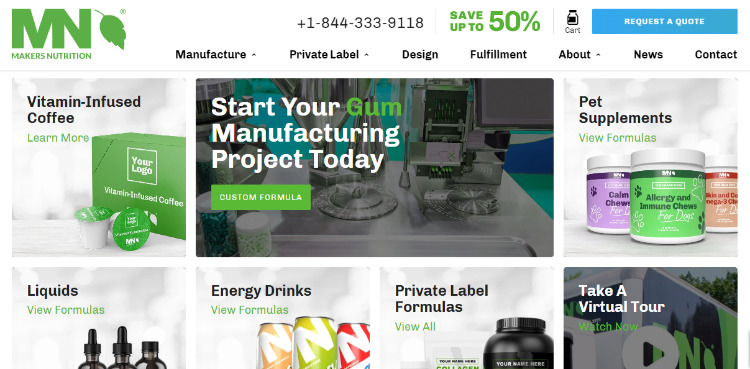
Makers Nutrition, recognized as one of America’s Inc. 5000 Fastest-Growing Companies, is a pioneering provider of comprehensive supplement manufacturing services. Specializing in capsules, tablets, powders, softgels, and gummies, Makers Nutrition offers private label supplement brands a complete turnkey solution. This includes contract manufacturing, order fulfillment, packaging, graphic design, and customer service, ensuring seamless and efficient operations. Makers Nutrition stands out as a reliable and innovative partner for the best private label supplement brands seeking excellence in manufacturing and service.
2) Robinson Pharma, Inc
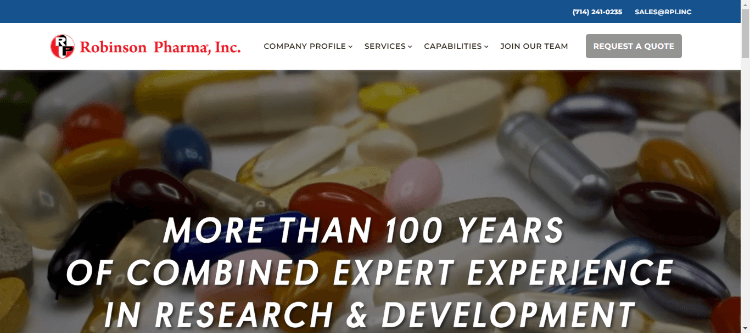
Based in the USA, Robinson Pharma offers end-to-end manufacturing solutions for supplements. Robinson Pharma, Inc. is a comprehensive private label and contract manufacturer that specializes in producing softgels, tablets, capsules, gummies, powders, and liquids for the dietary supplements and personal healthcare industries. The company has the largest softgel production capacity in the United States and is recognized as a leading vitamin manufacturer, holding multiple third-party certifications for Good Manufacturing Practices (GMP) compliance.
3) Private Label Express
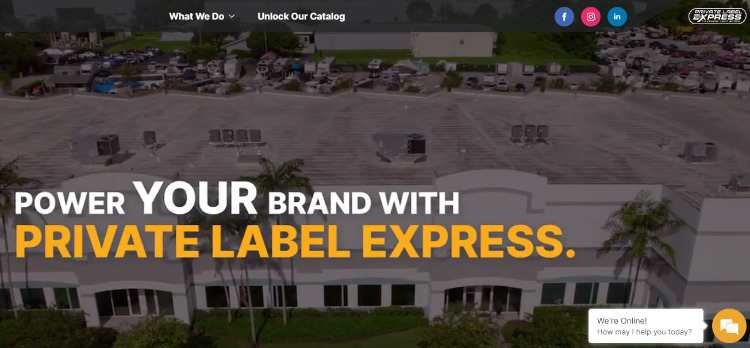
Private Label Express is a private label supplement manufacturing company based in the US. They offer a wide range of products including supplements, vitamins, organic supplements, and custom supplements. Private Label Express specializes in both private label and white label supplements and is a GMP-certified contract manufacturer providing wholesale products. This state-of-the-art vitamin and herbal supplement manufacturer supplies top-ranked, high-volume Amazon and e-commerce sellers with world-class, one-on-one account support and market-tested, market-proven product solutions. Their expertise includes the production of tablets, capsules, softgels, and gummy supplements.
4) SMP Nutra
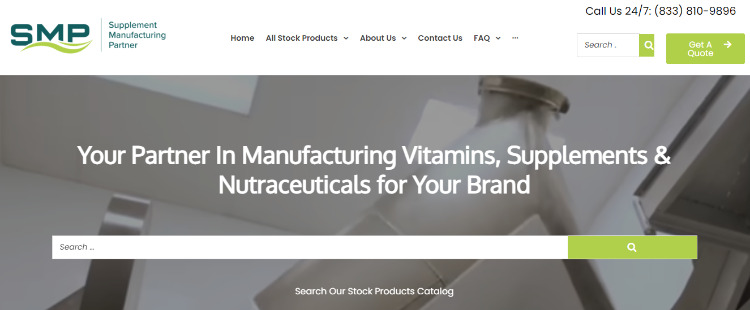
SMP Nutra, known as “Supplement Manufacturing Partner,” is dedicated to providing the most competitive stock private label supplements in terms of both quality and price. Specializing in the manufacturing and packaging of over-the-counter vitamins and supplement products, SMP Nutra produces a variety of vitamin products in capsule, tablet, powder, and gummy forms for brands to offer their customers. Despite being a young company, SMP Nutra is experiencing rapid growth, driven by a combination of highly experienced staff and favorable industry trends.
5) NutraScience Labs
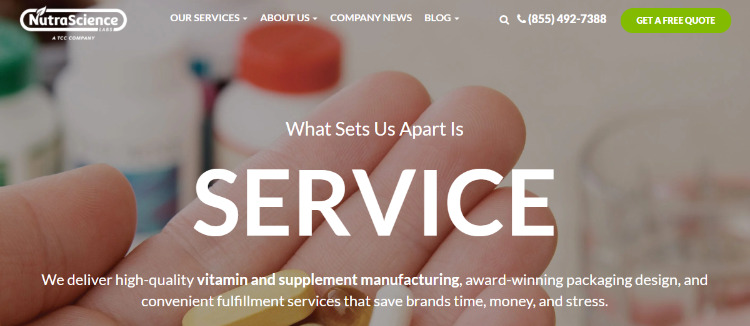
NutraScience Labs, an award-winning organization based in Farmingdale, New York, offers comprehensive solutions to dietary supplement companies. Their services include contract manufacturing, graphic design, packaging, and order fulfillment. Specializing in customized capsule, tablet, powder, and soft gel products, NutraScience Labs focuses on supporting various health aspects such as weight loss, vision, cognition, digestion, and more.
6) Pure NSM
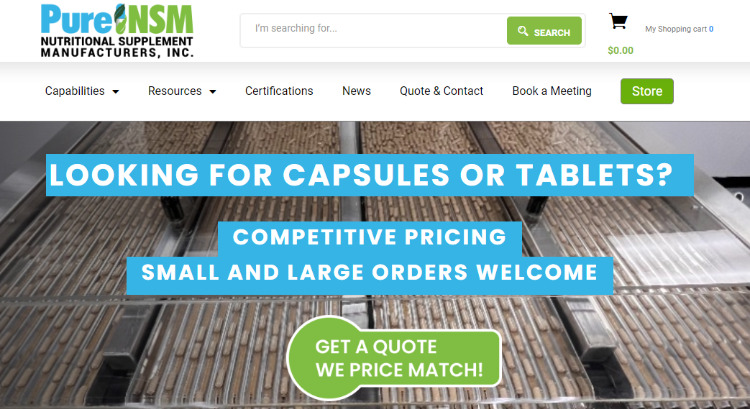
Pure NSM is a wholesale organic dietary supplement manufacturer based in California. They produce certified dietary supplements in various forms, including capsules, tablets, liquid, and powder. Pure NSM specializes in transforming original formulas or ideas for nutritional supplements into finished products ready for marketing and sale. Whether individuals seek to create unique products or small businesses aim to expand their product lines, Pure NSM is the ideal choice for manufacturing a wide range of nutritional products.
7) Reliance
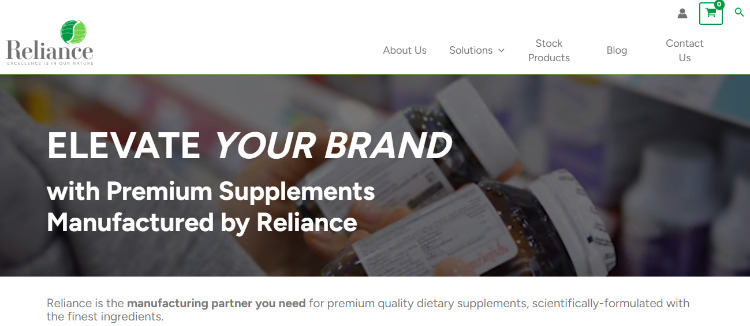
Reliance Private Label Supplements is a privately owned company with modest beginnings in the aisle of a natural products store in Maplewood, N.J. Originally, the company focused on creating a high-quality line of private label products for the store. Over time, Reliance has expanded its offerings to other retailers and branded companies. This expansion allows businesses to set themselves apart by offering exclusive, top-tier private label products. The success of Reliance’s customers has solidified its position as the leading private label company in the natural products industry.
8) Canyonside Labs
Canyonside Labs specializes in meeting diverse dietary supplement needs, whether clients seek to develop unique formulas or prioritize speed to market. Committed to personalized service, Canyonside Labs ensures access to knowledgeable support throughout the supplement production process. Their expertise covers a range of product types, including liquids, capsules, and powders. As a GMP Certified Dietary Supplement Manufacturer, Canyonside Labs is dedicated to providing high-quality solutions tailored to individual requirements.
9) Superior Supplement Manufacturing
Superior Supplement Manufacturing offers a wide range of services, including the production of capsules, tablets, powders, liquids, and soft gels. They also specialize in sourcing high-grade raw materials and creating custom formulas, as well as providing specialty packaging and label design. With flexible terms and the ability to handle both large and small orders, their customer service representatives are prepared to connect clients with personal product development consultants. They provide a wide variety of product combinations and options, including USDA Organic, Kosher, and natural products, to meet unique customer needs, making their product line and customer service unparalleled in the industry.
10) NutraSupps Private Label
NutraSupps Private Label offers comprehensive services in private labeling for a variety of health products such as vitamins, dietary supplements, nutraceuticals, and gummies. They provide a wide range of high-quality products available for private labeling, ensuring quick turnaround times and competitive pricing. With a selection of over 1,000 stock dietary supplement products, NutraSupps Private Label delivers quality-controlled items to clients looking to develop their own supplements, products, or brands. Their team of professionals ensures that only top-quality products are shipped to clients.
Key Factors to Consider When Choosing a Private Label Dietary Supplement Manufacturer
Choosing the right private label manufacturer is a crucial decision that can greatly impact the quality and success of your dietary supplement brands. Here are some key factors to consider:
- Quality Control: Ensure that the dietary supplements manufacturer adheres to strict quality control measures throughout the production process. This includes sourcing high-quality raw materials, following Good Manufacturing Practices (GMP), and conducting comprehensive testing to ensure product safety and effectiveness.
- Certifications: Look for private label dietary supplement manufacturers that hold relevant certifications, such as NSF International, ISO, and FDA registration. These certifications indicate that the manufacturer complies with industry standards and regulatory requirements, providing an additional layer of assurance for your products.
- Customization Options: Choose a dietary supplements private label manufacturer that offers a wide range of customization options, from product formulations and ingredient choices to packaging and labeling. This flexibility allows you to create a unique product that stands out in the market.
- Reputation and Reviews: Research the dietary supplements manufacturer’s reputation in the industry and look for customer reviews and testimonials. A manufacturer with a strong track record of delivering high-quality products and excellent customer service is more likely to be a reliable partner.
- Innovation and R&D: Partner with a private label supplements manufacturer that invests in research and development to stay ahead of industry trends and continuously improve their products. Access to innovative formulations and cutting-edge technology can give your brand a competitive edge.
By carefully considering these factors, you can choose a reputable and capable dietary supplement manufacturer that aligns with your business goals and helps you deliver top-quality products to your customers.
Emerging Trends and Innovations in Private Label Dietary Supplement Manufacturing
Overview of Current Trends
The dietary supplement industry is increasingly focused on organic and natural ingredients, personalized supplements, and sustainability. Consumers are demanding cleaner, healthier options tailored to individual health needs, and eco-friendly products. Manufacturers are responding by sourcing high-quality organic ingredients, utilizing advanced technologies for personalized formulations, and implementing sustainable practices in production and packaging.
Innovations in Manufacturing Processes and Technologies
Innovations such as advanced extraction techniques, encapsulation technologies, automation, and robotics are revolutionizing the dietary supplement manufacturing process. These advancements enable manufacturers to produce high-quality, potent, and stable supplements more efficiently. Additionally, improved quality control and testing technologies ensure the safety, efficacy, and purity of the products, meeting the stringent standards and regulatory requirements of the industry.
How These Trends and Innovations Impact the Choice of Manufacturer
When choosing a private label dietary supplement manufacturer, it is crucial to consider their alignment with consumer preferences for organic, natural, and sustainable products, as well as their capability for customization and technological advancements. Manufacturers that invest in cutting-edge technologies and prioritize quality control and testing can provide superior supplements that meet market demands. Collaborating with such manufacturers ensures your brand can deliver innovative, high-quality products that resonate with health-conscious consumers.
How to Partner with a Private Label Dietary Supplement Manufacturer
Steps to Take When Approaching a Manufacturer
To successfully partner with a private label dietary supplement manufacturer, start by conducting thorough initial research to identify reputable manufacturers with a proven track record in producing high-quality supplements. Once you have a shortlist, contact each manufacturer to initiate a discussion about your specific needs and requirements. Clearly outline your product specifications, branding preferences, and any unique formulations you need. It is crucial to assess their capabilities, quality control measures, and production timelines to ensure they can meet your expectations.
Key Questions to Ask Potential Private Label Dietary Supplement Manufacturers
When evaluating potential dietary supplement manufacturers, ask key questions to gauge their suitability as partners. Inquire about their experience in producing dietary supplements, the certifications they hold (e.g., NSF, GMP, FDA), and their quality control processes. Ask about their sourcing of raw materials and whether they can provide documentation to verify ingredient quality and safety. Additionally, discuss their customization options, minimum order quantities, lead times, and ability to scale production as your business grows. Understanding their communication practices and how they handle customer service and support is also essential.
Tips for Establishing a Successful Partnership
Establishing a successful partnership with a private label dietary supplement manufacturer requires clear communication and a collaborative approach. It is important to maintain open lines of communication to ensure that both parties are aligned on product specifications, production schedules, and quality standards. Regularly monitoring the production process and conducting periodic audits to ensure compliance with agreed-upon standards is essential. Foster a strong relationship by being transparent about your business goals and providing constructive feedback. Building trust and working closely with your manufacturer can lead to a long-term, mutually beneficial partnership.
Conclusion
It is essential to choose the right private label dietary supplement manufacturer to ensure the quality, safety, and success of your products. A reliable supplement manufacturer will adhere to strict quality control standards, possess necessary certifications, and offer a range of customization options to meet your unique needs. By selecting the right partner, you can enhance your brand’s reputation, meet customer expectations, and achieve your business goals. We encourage you to thoroughly research and reach out to the manufacturers listed in this blog, as they have been identified for their excellence in the industry. The dietary supplement market is constantly changing due to consumer demand for organic, personalized, and sustainable products. Staying ahead of these trends and collaborating with innovative manufacturers will position your brand for long-term success in this dynamic market.
Related Articles:
How to Choose a Private Label Supplement Manufacturer: 18 Key Factors
Top 10 Must-Have Supplements for Your Private Label Brand
Top 10 Manufacturers For Your Private Label Pet Supplements Brand